
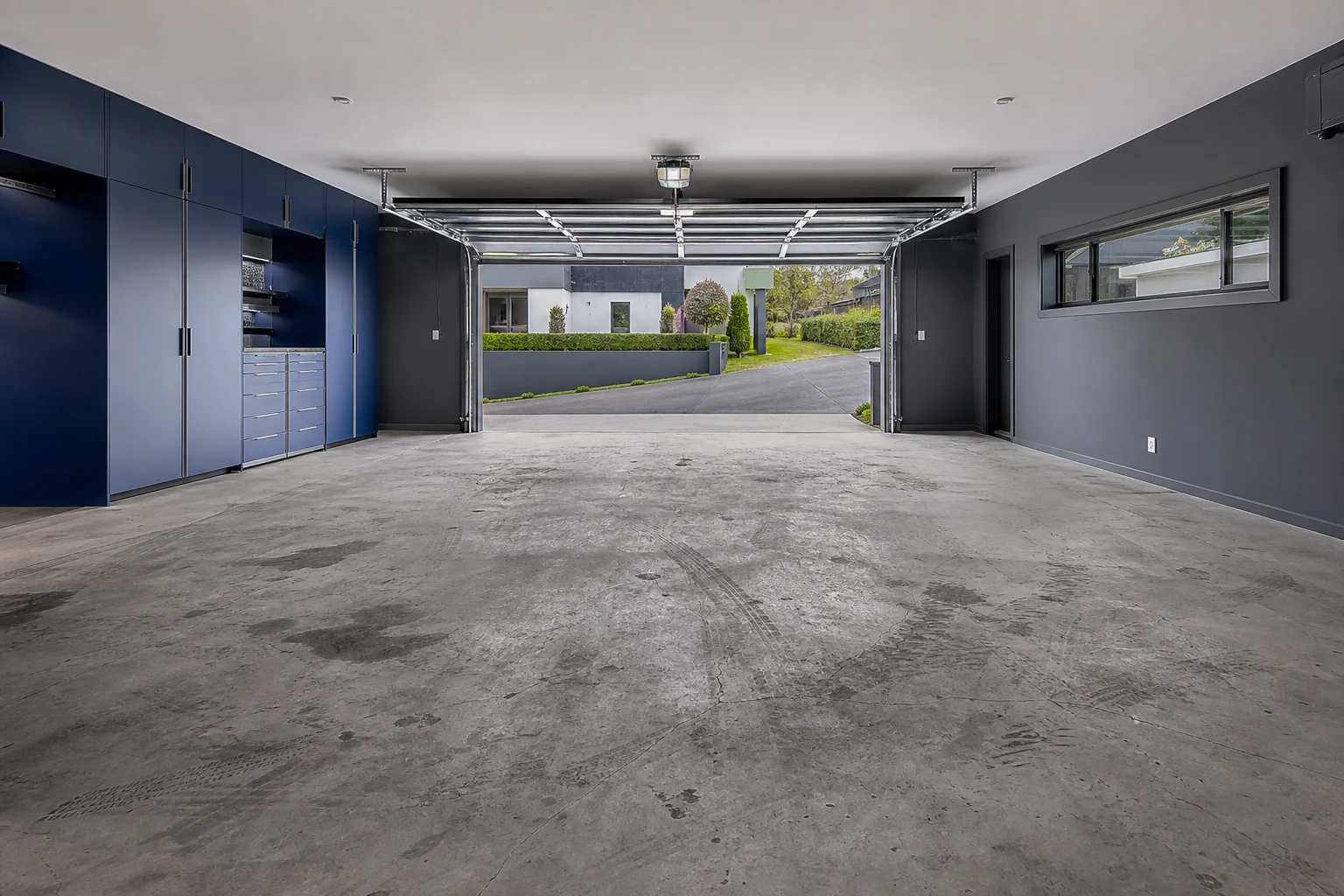
A garage floor is the hardest-working slab in the house and usually the most neglected. It collects oil drips, sheds a fine grey dust over everything you store on it, stains where the car parks and generally looks a decade older than the rest of the property. So the question comes up often: should I epoxy my garage floor, and is it actually worth the money? We coat garage floors across Cape Town, so we hear this one constantly — and the honest answer depends on how you use the space.
Here is the straight version. If the garage is a working part of your home — you park in it, work in it, store things in it — epoxy is one of the better-value upgrades you can make. If it is a sealed box you open twice a year, the maths is harder to justify. This guide gives you the benefits, the real Cape Town costs, how long it lasts and why the hardware-store kit is a false economy.
Key takeaways
- Indicative cost: roughly R9,000 to R20,000 for a standard 36 m² double garage, depending on whether you go solid-colour, flake or metallic.
- Lifespan: 10 to 20 years for a professionally installed floor — which is where the value comes from.
- Best system for most garages: flake. It adds grip and hides tyre marks and dust far better than plain gloss.
- The catch: nearly every horror story is a thin DIY kit or a floor that was never properly ground and moisture-tested. Preparation is the whole game.
What epoxying a garage floor actually gets you
The visual upgrade is the part people notice first, but it is not the main reason to do it. A sealed floor changes how the space behaves day to day.
It stops the dust. Bare concrete constantly sheds fine particles from its surface — that grey film on your toolbox, your boxes and the bottom of everything stored in the garage. Sealing the slab stops it at source.
It stops absorbing oil and chemicals. Concrete is porous, so every oil drip, brake-fluid splash and petrol spill soaks in and stains permanently. An epoxy floor keeps them on the surface where a rag and a bit of degreaser lift them straight off.
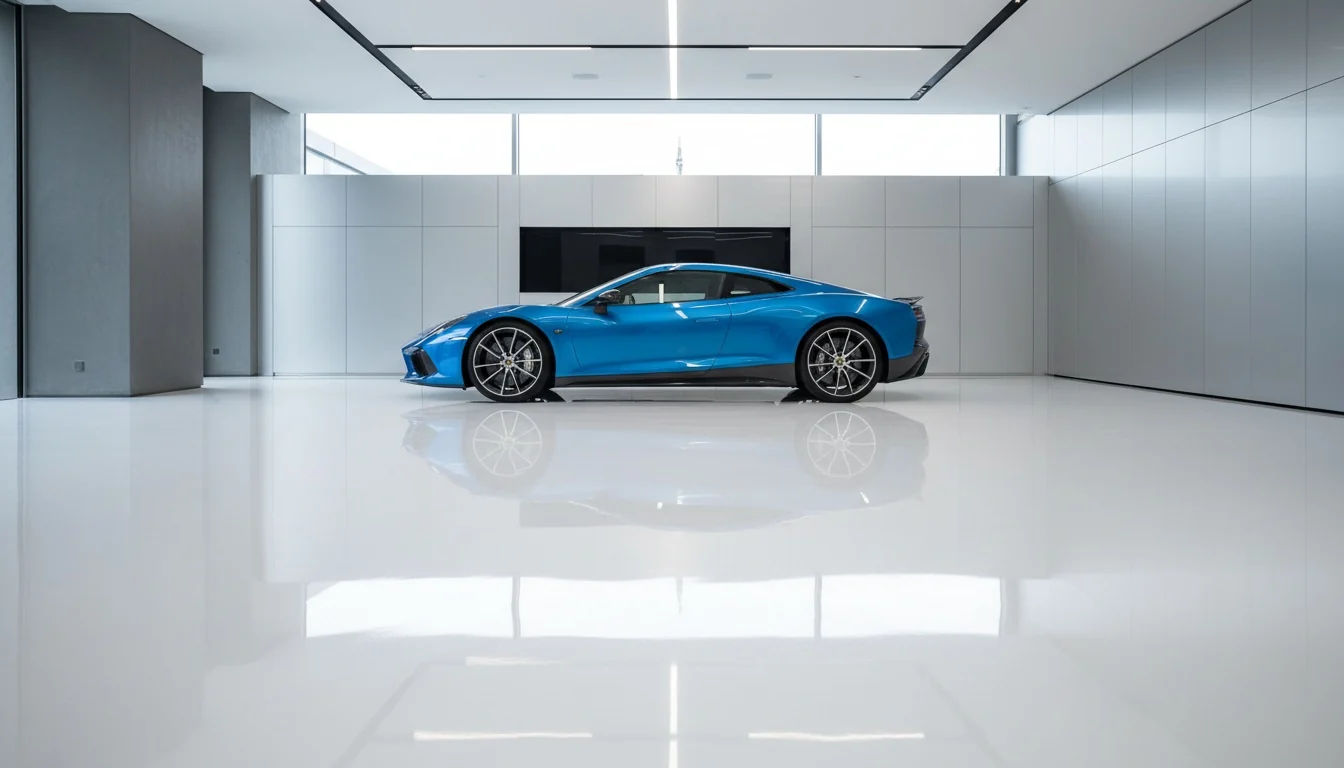
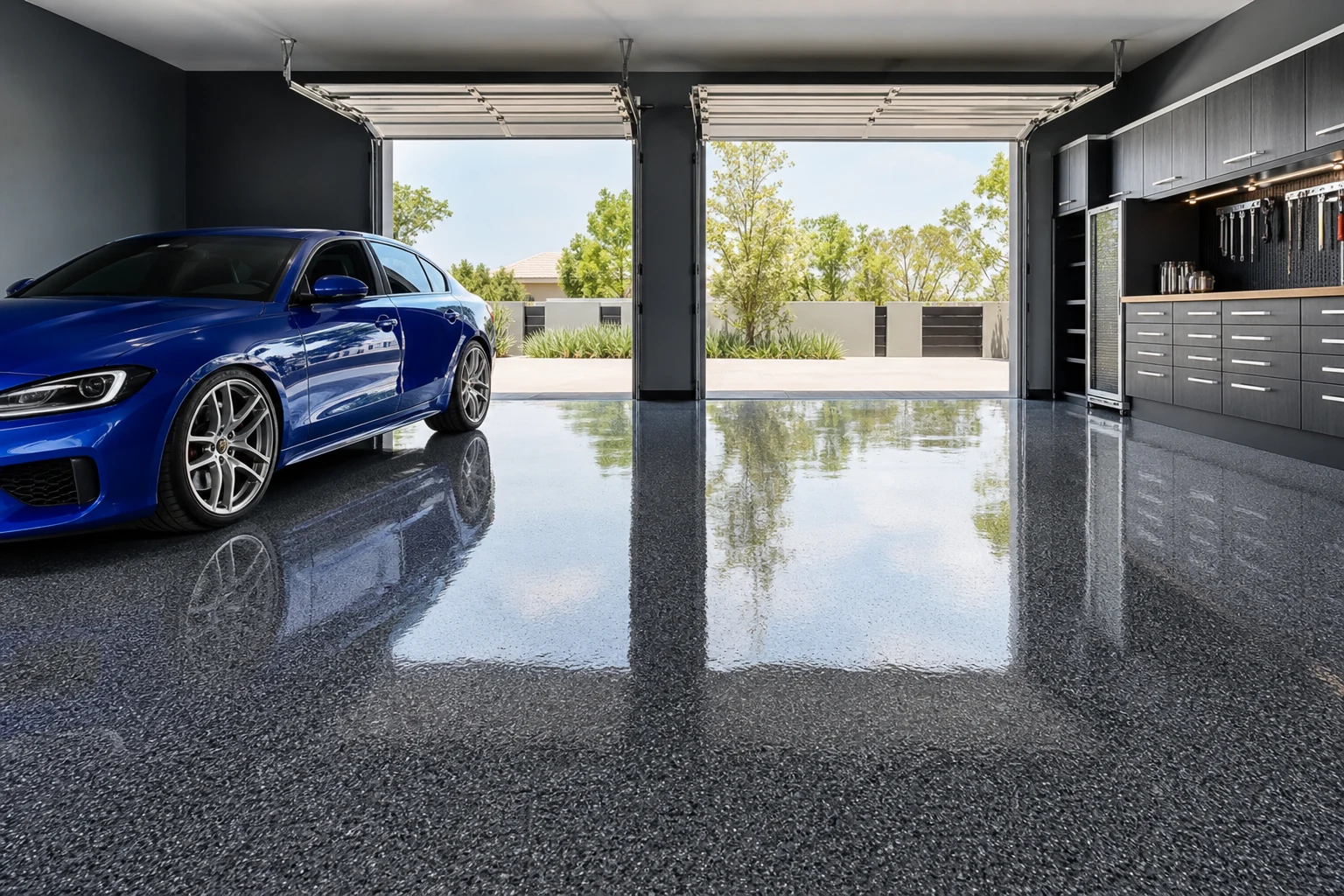
It brightens the space dramatically. A gloss floor reflects whatever light you have, which makes a big practical difference in a garage that only gets daylight when the door is open. Working in there stops feeling like working in a cave.
It is genuinely easy to keep clean. No grout lines, no porous surface — a sweep and an occasional mop is the entire maintenance routine.
What it costs to epoxy a garage in Cape Town
Epoxy is priced per square metre, so the sum is refreshingly simple. A standard South African double garage runs about 6 m by 6 m — call it 36 m². Multiply that by the rate for the system you choose and you have your ballpark before anyone visits.
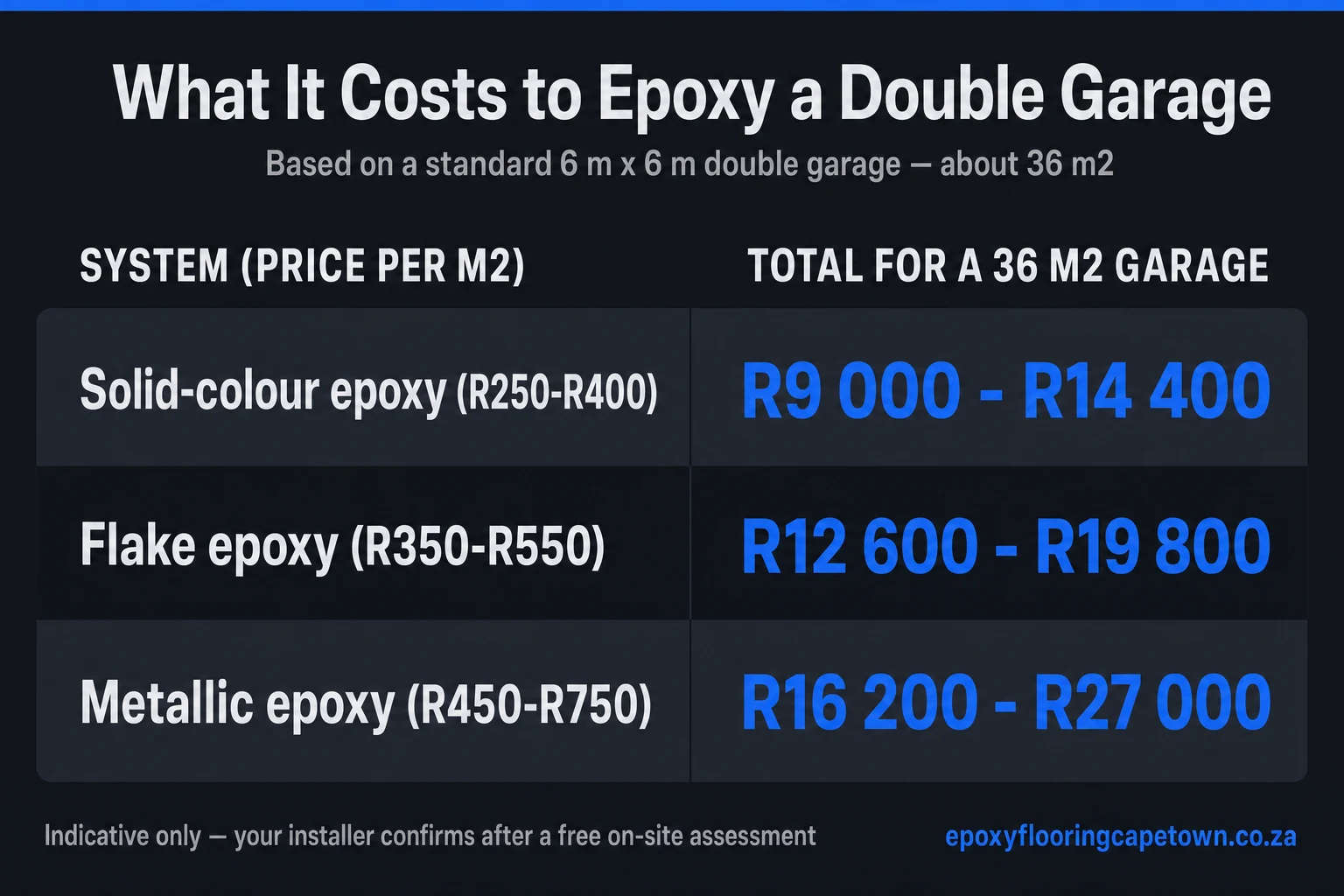
Those are guide figures, not quotes. The number that actually moves is surface preparation: a sound, clean slab is straightforward, while one with oil contamination, spalling or cracks needs remedial work before any coating goes down. Access matters too — a garage the grinder can be wheeled straight into is cheaper to do than one up a flight of steps. You can see the full breakdown by system on our epoxy pricing page.
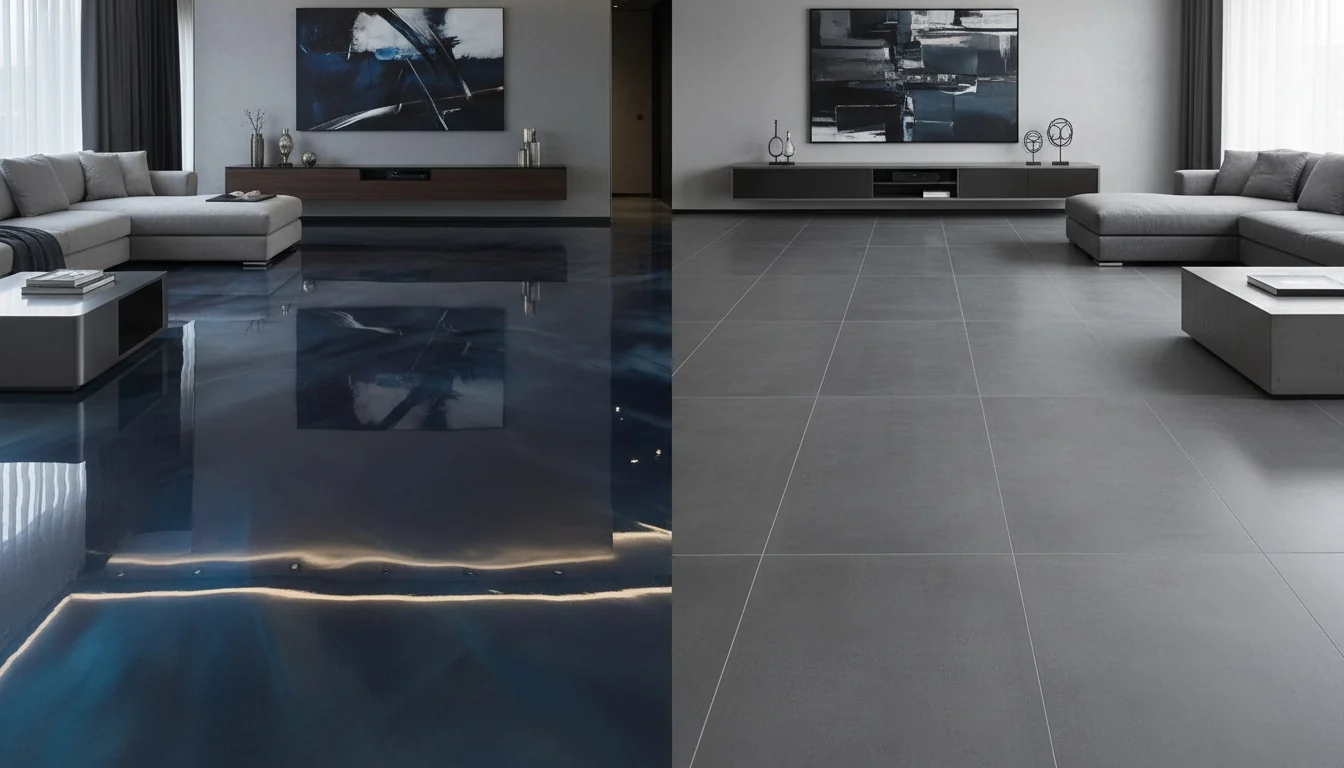
Worth putting in perspective: spread R15,000 over a floor that lasts fifteen years and you are at about a thousand rand a year for a surface you use every single day. Compared with retiling the same area, it usually comes out ahead once the screed, adhesive, grouting and tiling labour are counted — we lay that comparison out in detail on epoxy or tiles.
How long does a garage epoxy floor last?
A professionally installed garage floor commonly gives 10 to 20 years. That range is wide for one reason: preparation. The same product on a properly ground, moisture-tested slab and on a quickly-rolled dusty one will not behave remotely the same way — we go through the detail in how long it lasts.
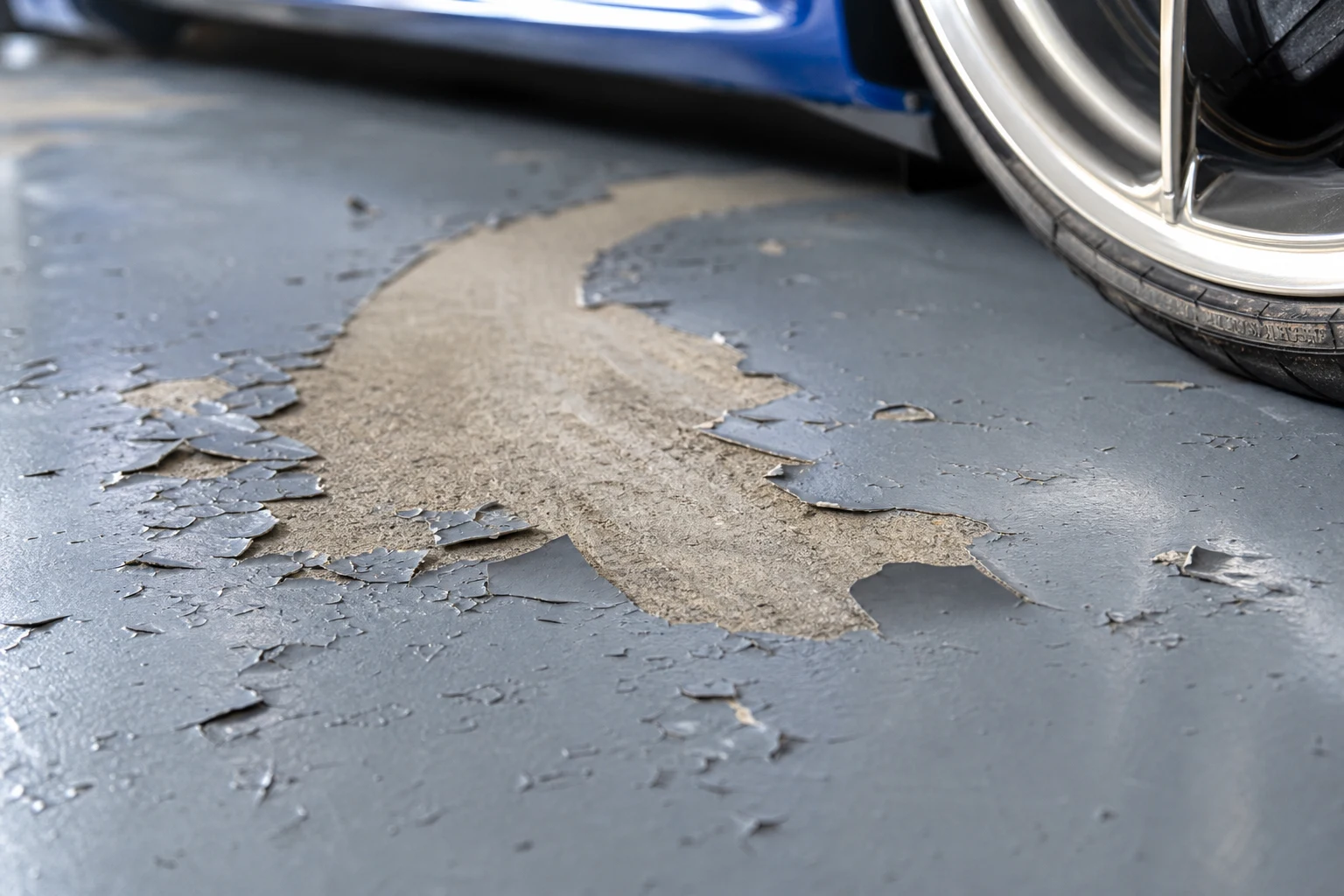
Garages also face one hazard the rest of the house does not: hot tyre pick-up. Tyres get hot on the drive home, and that heat softens a weak or under-cured coating. As the rubber cools it contracts and grips, and when you reverse out the tyre can peel the coating straight off the concrete. It is the single most common garage-floor failure, and it is almost entirely a function of coating quality, bond strength and whether the floor was allowed to cure properly before a car was parked on it.
The DIY kit question
Hardware-store epoxy kits are tempting — a fraction of the price and a weekend's work. They are also where most of the disaster photos come from, and the reason is nearly always the same: the preparation the kit instructions gloss over.
A professional install starts by diamond-grinding the slab to open the concrete's pores so the coating can key into it mechanically. It includes testing the concrete for moisture rising from below — the industry method is an in-situ relative humidity test, and resinous coatings generally need the slab below about 75% RH to bond reliably. Cracks get routed out and filled. Only then does anything get applied, in multiple coats, with cure time respected between them.
A kit gives you a thin single coat over concrete that has usually only been acid-etched, if that. It looks good for a season. Then it starts lifting at the tyre contact points, and the whole lot has to be ground off before a proper floor can go down — which costs more than doing it properly the first time.
Which system suits a garage best?
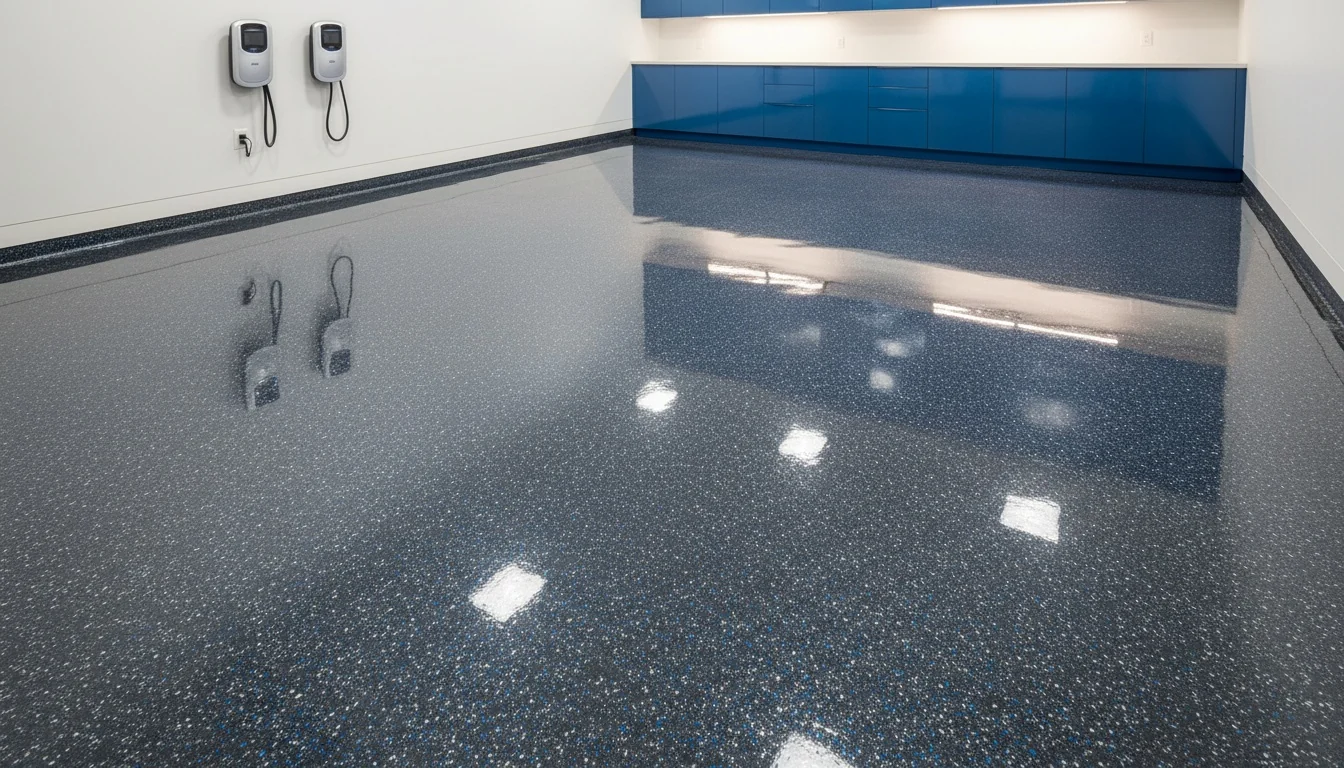
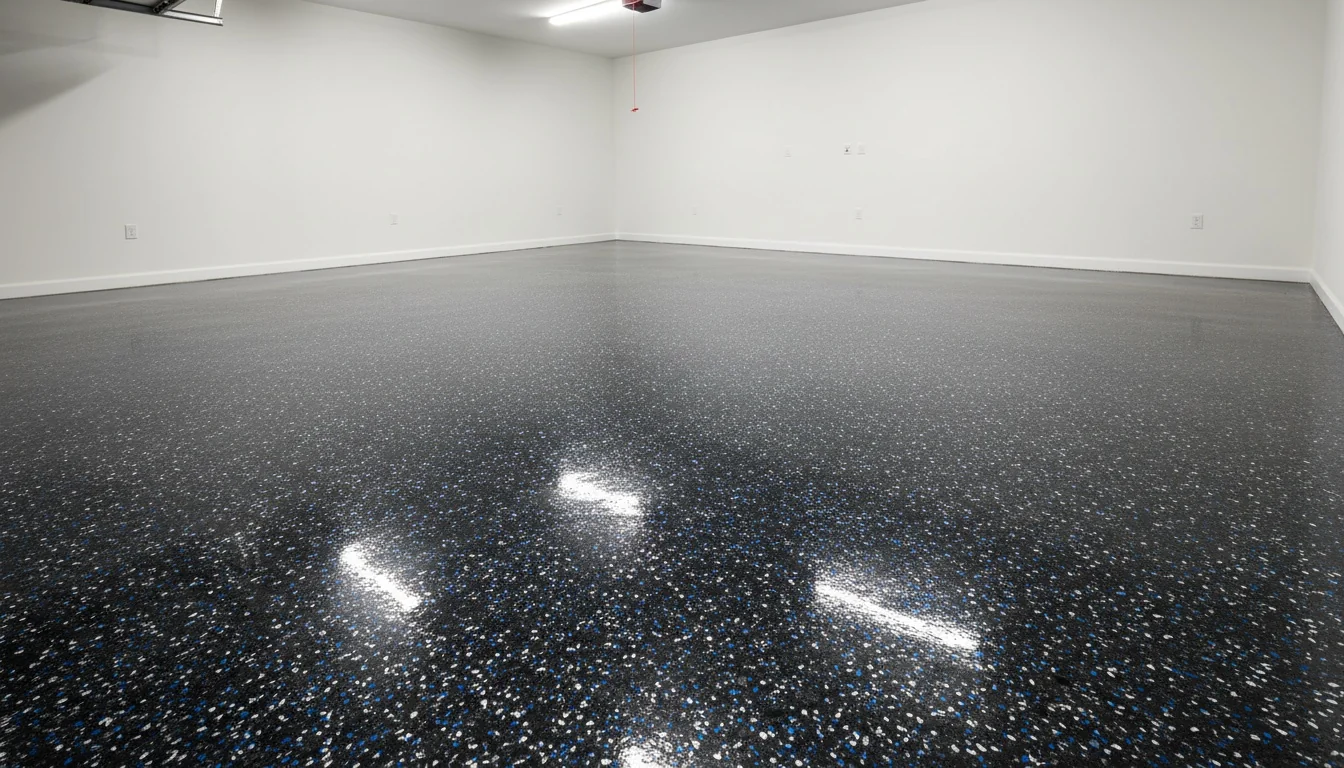
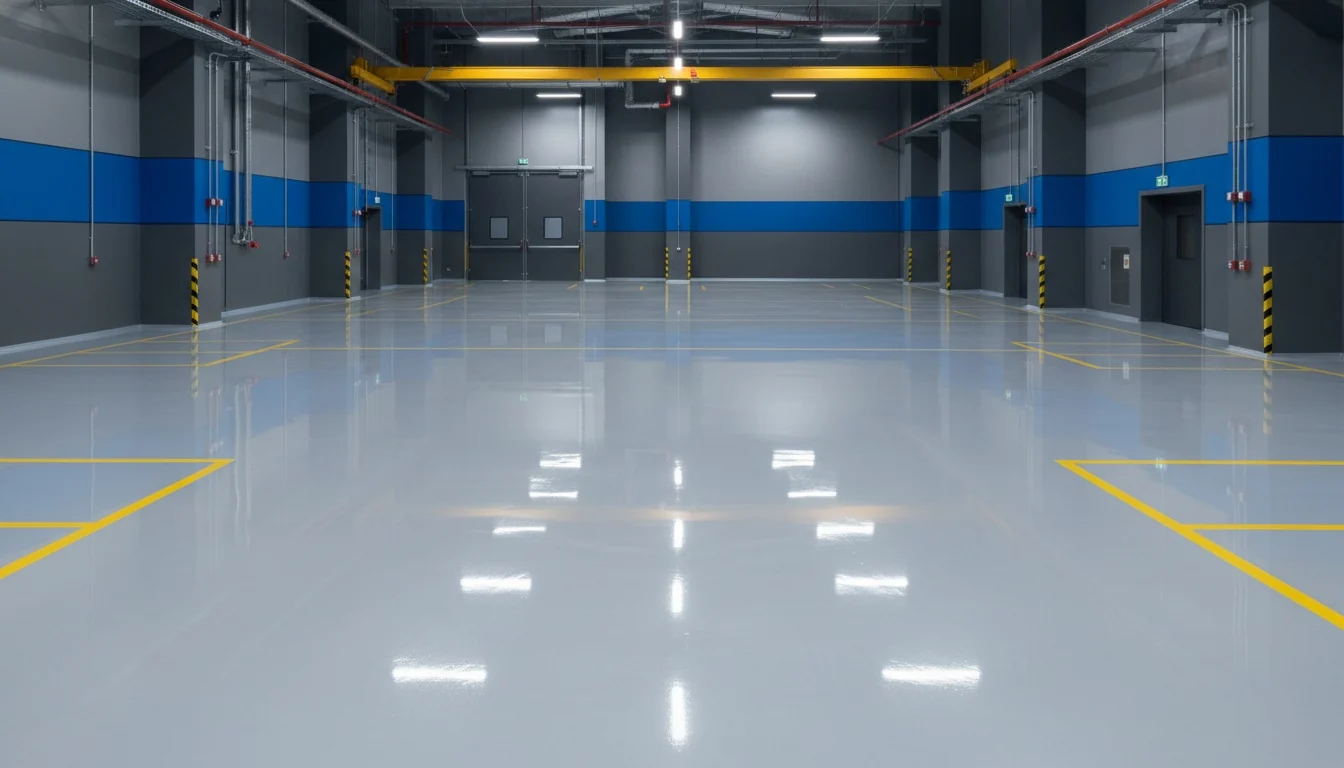
Flake (flake-chip) is the right answer for most garages. Vinyl flakes broadcast into the coating give the surface a slight texture, which means better grip when the floor is wet, and the speckled pattern disguises tyre marks, dust and the odd scuff in a way plain gloss simply cannot. It is the most forgiving finish in a working space.
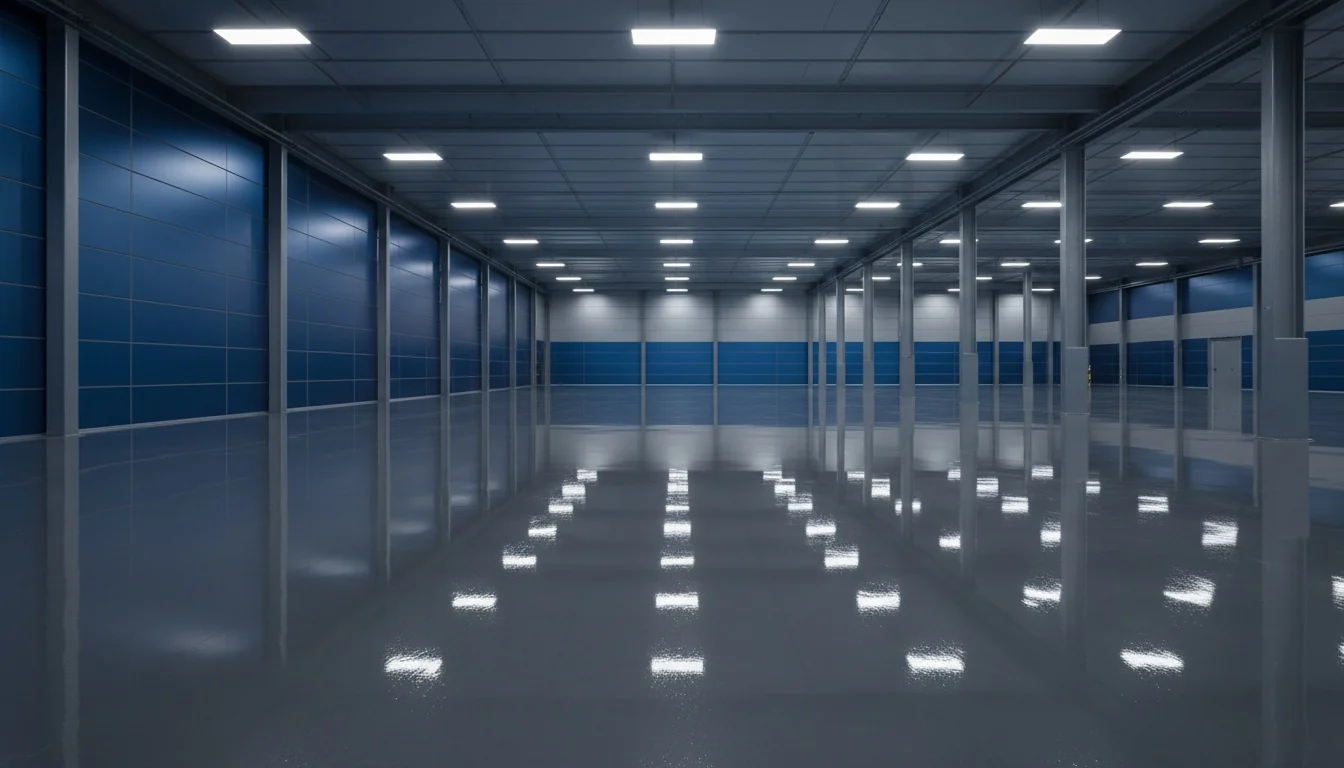
Solid-colour epoxy is the budget option. It looks sharp when new and seals the slab perfectly well, but a single flat colour shows every mark and every bit of dust.
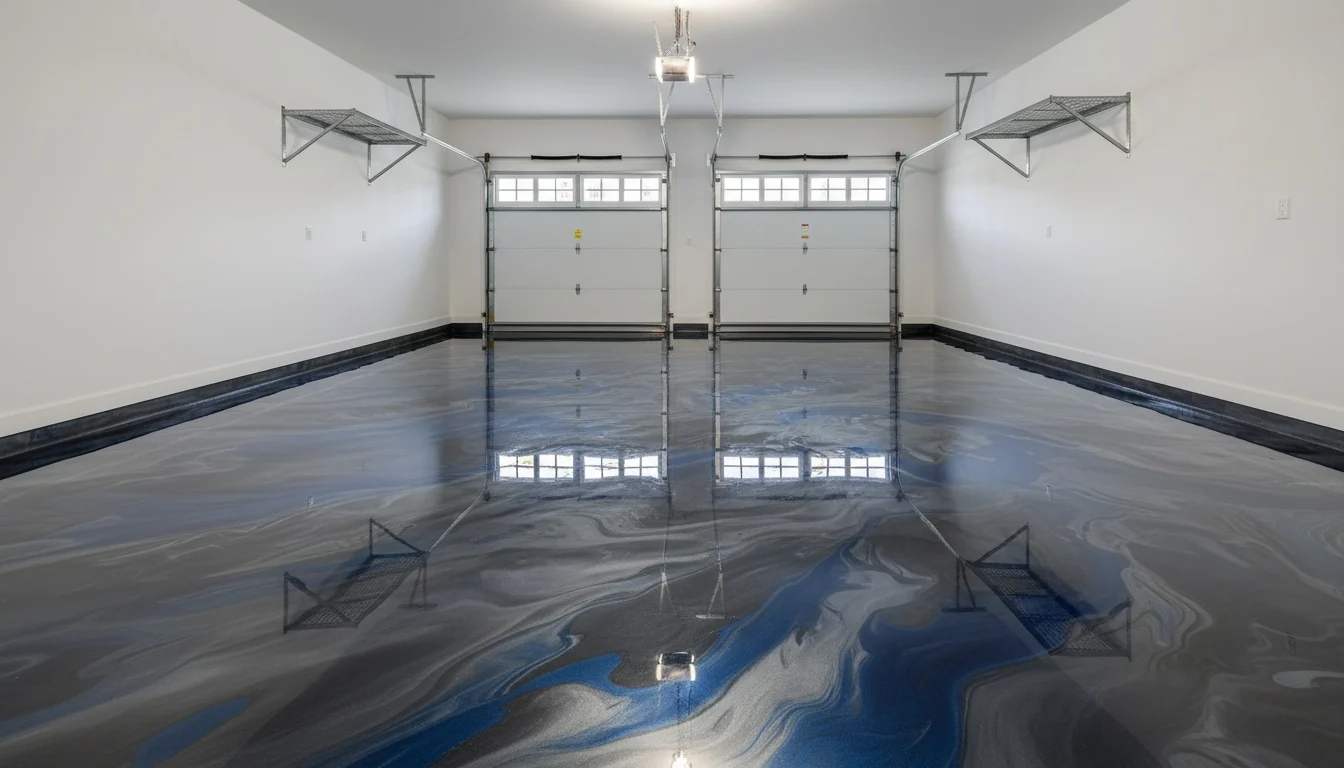
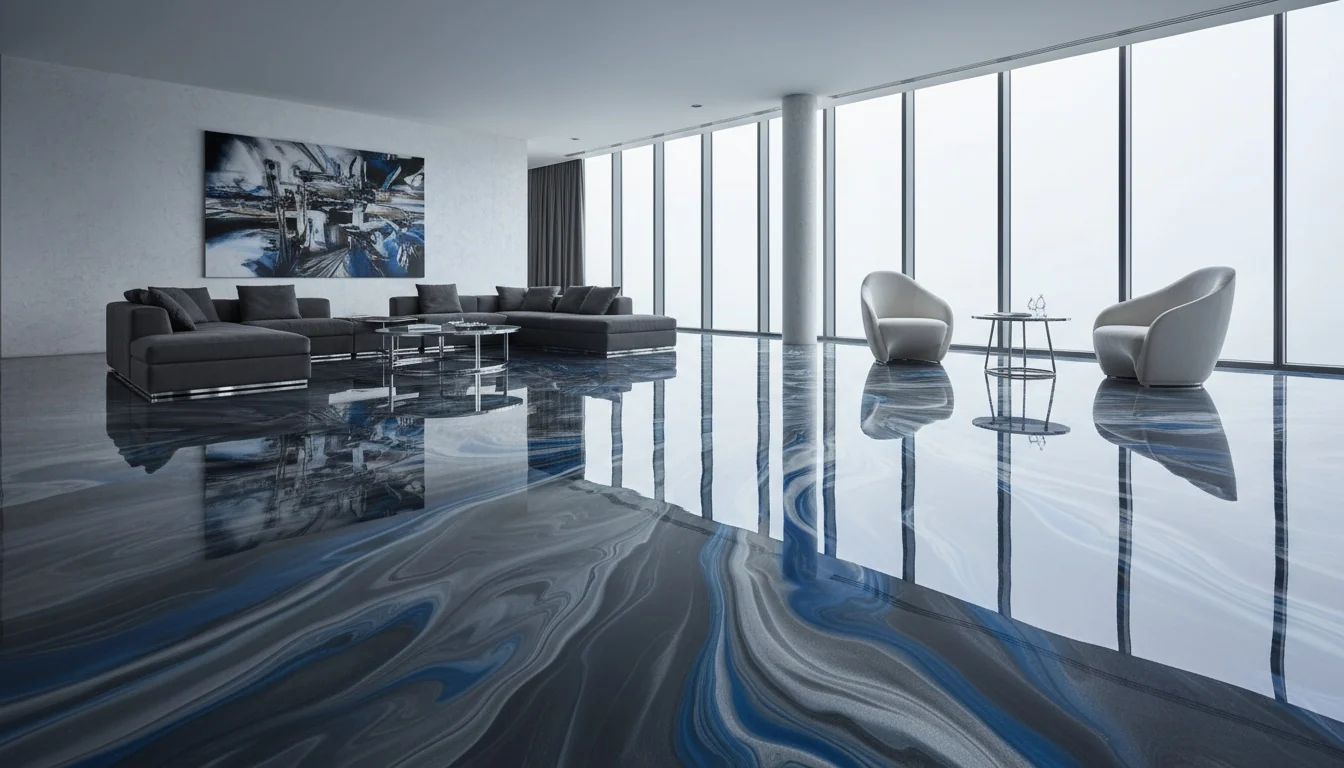
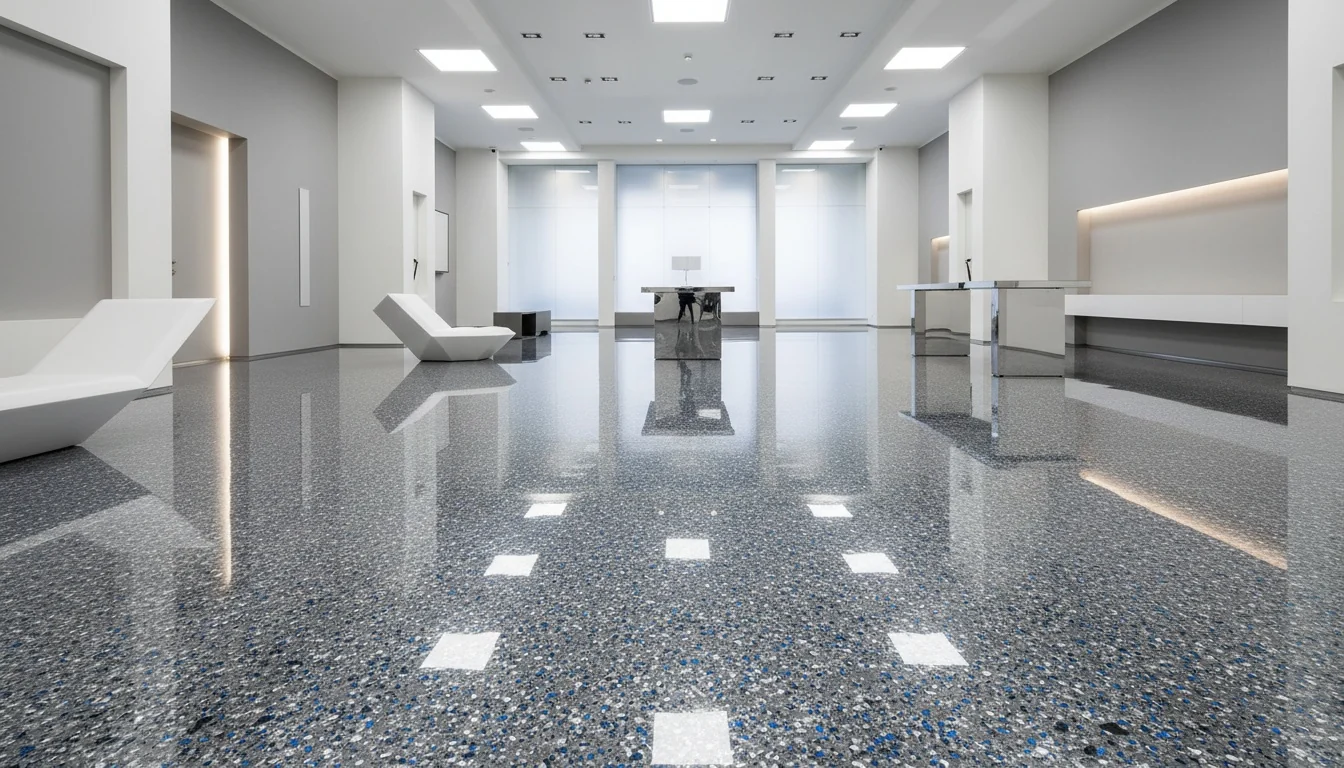
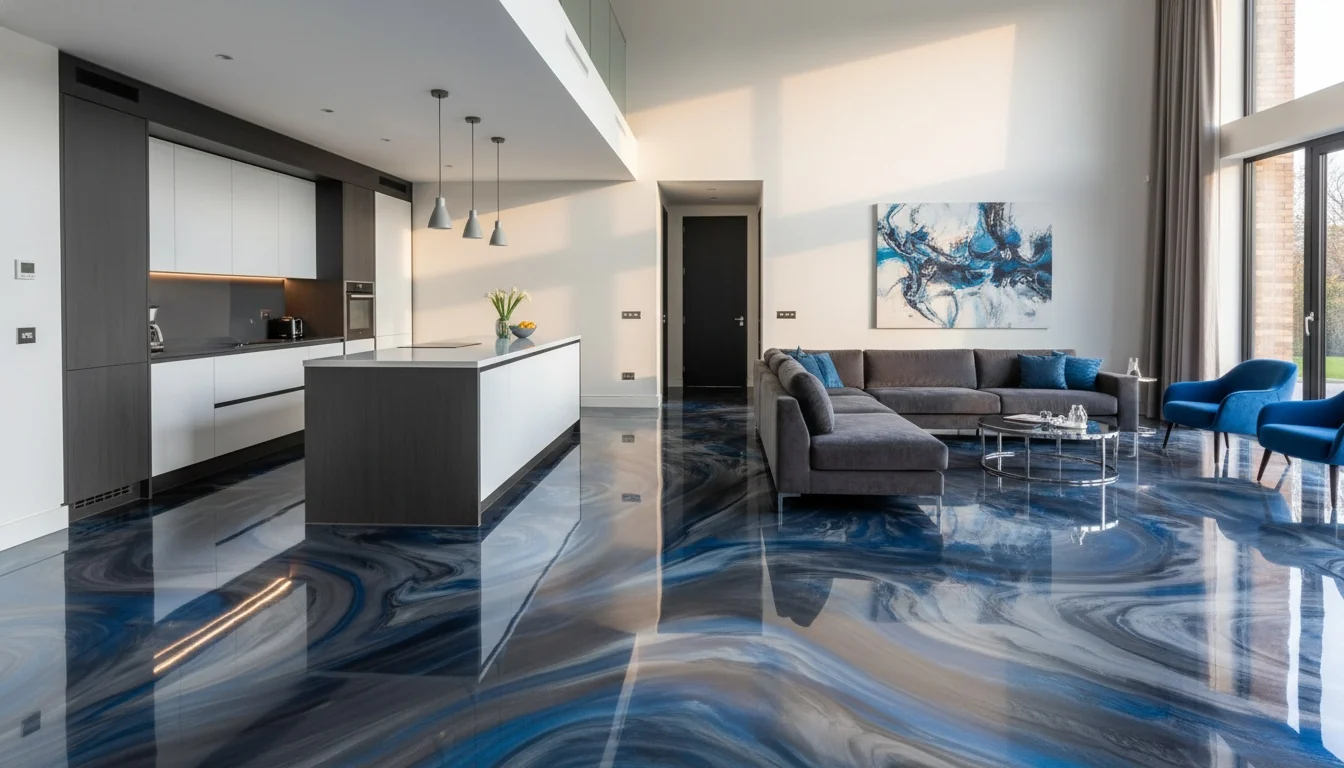
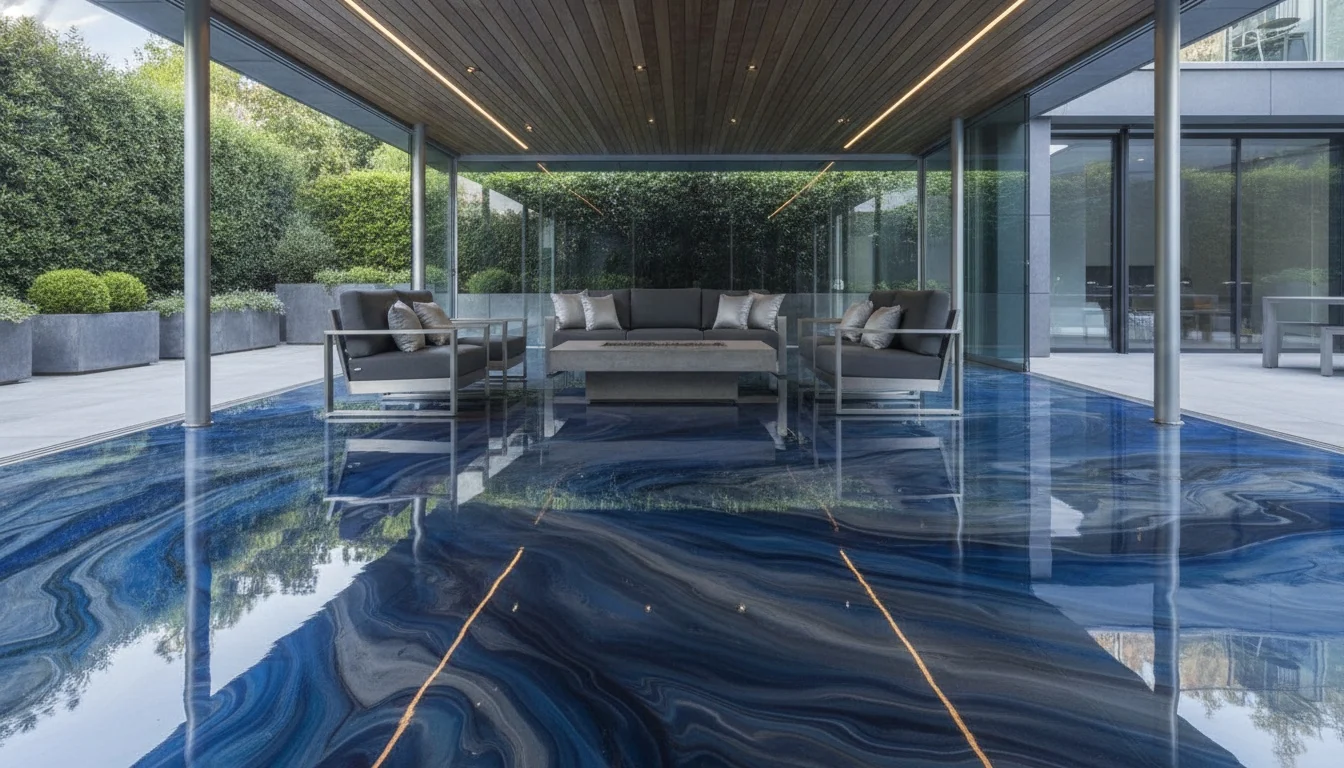
Metallic is the showpiece — a deep marbled finish for a display garage or a space that doubles as an entertainment area. It is the most expensive and the least forgiving of heavy workshop use.
If you are weighing these up for your own space, the garage floor epoxy in Cape Town page covers each system with finish examples.
So, should you epoxy your garage floor?
If you park in it, work in it or store anything in it that you would rather not find covered in concrete dust — yes, and a flake system is usually the one to pick. You get a floor that seals the slab, brightens the space, wipes clean, resists the oil and chemicals a garage sees, and keeps doing it for a decade or two. At roughly R9,000 to R20,000 on a standard double garage it is one of the better-value things you can do to a house.
The one condition worth repeating: it has to be installed properly. Every common failure — the peeling, the bubbling, the coating that lifts under a hot tyre — traces back to preparation that was skipped or a coating that was too thin. Get the groundwork right and the floor is genuinely low-drama for years.
The sensible next step is to have someone look at the actual concrete. An installer will check the slab's condition and moisture, recommend the system that suits how you use the garage, and give you a firm written price — get a free on-site quote and you will know exactly where you stand before committing to anything.