Specialist coatings

    Polyurethane flooring in Cape Town

    Where a floor gets hot, gets harsh chemicals or gets direct sun, standard epoxy is the wrong tool. We lay polyurethane floors for commercial kitchens, food and drink premises, workshops and showrooms across the Western Cape — around R685 per m² installed — plus stone carpet and anti-slip finishes.

    When polyurethane beats epoxy

    The two resins are often spoken about as rivals. They are not — they solve different problems, and a good specification frequently uses both.

    Epoxy is the harder of the two. It builds thickness, takes impact and gives that deep, glassy body a garage or showroom floor is usually after. Polyurethane is more flexible and holds up far better against heat, aggressive cleaning chemicals and ultraviolet light. That last point is the one most people find out too late: a standard epoxy in a sun-drenched room ambers and chalks, while a polyurethane keeps its colour. It's the same reason epoxy driveways in Cape Town need specifying carefully rather than coating like an indoor floor.

    So a commercial kitchen that gets steam-cleaned nightly, a laboratory dealing with solvents, a north-facing showroom, a covered patio — these are polyurethane territory. A dry, shaded interior that mainly needs to survive being driven on is usually better and more cheaply served by a conventional industrial epoxy system.

    Floors for food premises and wash-down areas

    South Africa's food hygiene regulations are specific about floors. R638 of 2018 (regulation 5) says the floor surfaces of a food-handling area must not have open joints or open seams, and must be made of smooth, rust-free, non-toxic, cleanable and non-absorbent material that is dust-proof and water-resistant. Tiles with grout lines and bare concrete both struggle with that wording.

    A seamless resin floor meets it, and we cove it a short way up the wall so there is no corner joint for water and food waste to sit in. Where the floor also takes boiling water, steam cleaning or aggressive detergents, as kitchens, bakeries and processing rooms do, polyurethane is the system we specify, because it copes with heat and chemicals better than a standard epoxy.

    The products we lay

    We're Cape Allied Flooring, laying floors from our Brackenfell base since 2016. Industrial and commercial floors are the core of our work. The systems we install come from Sika, Technical Finishes and Kwikrete, and we hold an accreditation from Technical Finishes. We work anywhere in the Western Cape, farms included.

    Three systems, one assessment

    Specified to the room rather than sold off a list. Which one suits comes out of the site visit.

    Polyurethane coatings

    Flexible, heat-tolerant and chemical-resistant. The right call for commercial kitchens, food and beverage areas, labs and any floor that gets steam-cleaned or sees aggressive cleaning agents.

    Stone carpet

    Natural stone aggregate bound in clear resin, trowelled seamless. No grout lines, a soft texture underfoot and real stone colour — suited to patios, pool surrounds, entrances and walkways.

    Anti-slip finishes

    Graded aggregate broadcast into the topcoat for grip. Specified to the room, from a light texture that still mops easily to a coarse finish for wet workshops and ramps.

    Where these systems earn their keep

    Commercial kitchens and food preparation areas
    Laboratories, workshops and chemical stores
    Sunlit showrooms, retail floors and atriums
    Patios, pool surrounds and entrance walkways
    Ramps, wet rooms and cold-room floors
    Recoats over sound existing epoxy

    What polyurethane flooring costs

    Our polyurethane systems are around R685 per m² installed, against a starting rate of R480 per m² for epoxy (October 2026). Resin material costs have pushed prices up this year. Cost still depends on the system, the area and how much preparation the slab needs — a polyurethane topcoat over sound concrete is a very different job to a stone carpet on a patio that needs levelling first.

    When you compare quotes, compare like with like: ask what system and thickness each price is for, and whether grinding and crack repair are included. The pricing guide sets out how floors are costed per square metre, and the on-site assessment puts a firm number on your floor.

    A recent Cape Allied job

    Stone carpet around a pool

    One of our stone carpet installations: a light stone deck around a residential pool, with a darker stone band framing the coping.
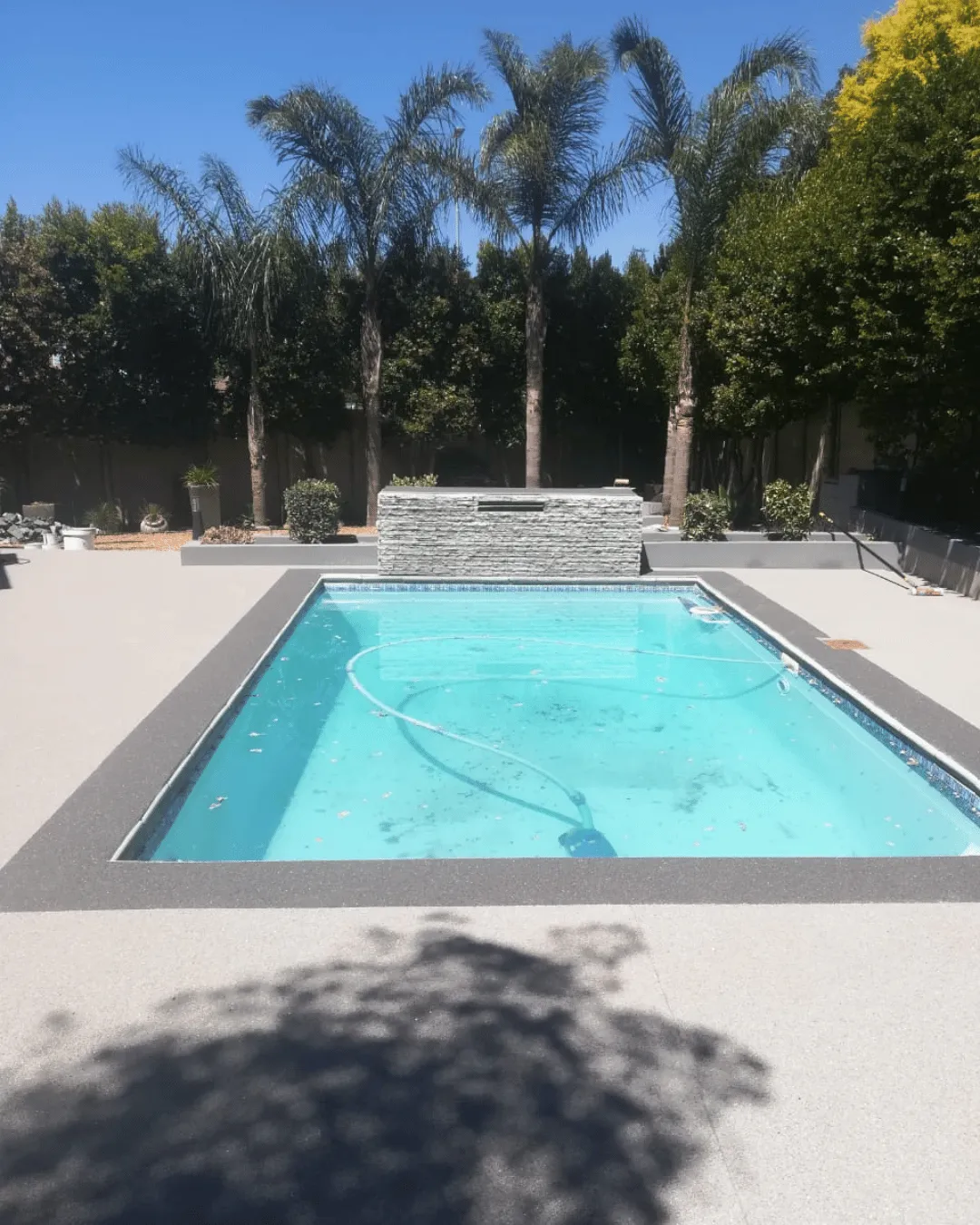
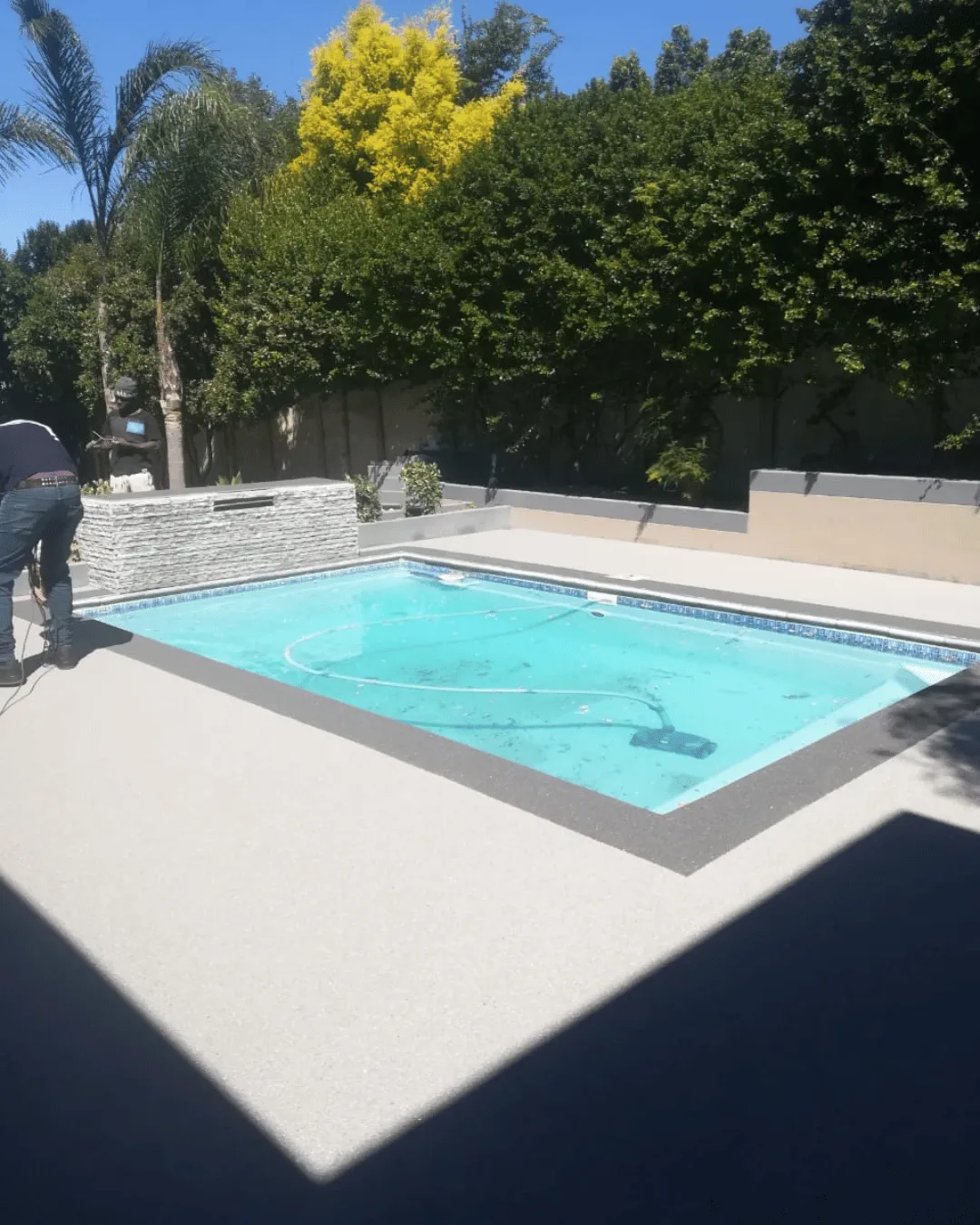
    Light stone carpet pool deck with a dark grey stone carpet border around a rectangular pool, palm trees behind
    Cape Allied Flooring job: stone carpet pool surround, with a darker band edging the pool.
    The same stone carpet pool deck from another angle, with two workers on site beside a stacked-stone water feature
    Cape Allied Flooring job: the same pool deck from the other side, with workers still on site.

    Polyurethane, stone carpet and anti-slip — common questions

    Our polyurethane systems are around R685 per m² installed, against a starting rate of R480 per m² for our epoxy floors (October 2026 rates). Resin material costs have pushed prices up this year. When you compare quotes, check what system and thickness each price is for, and whether grinding and crack repair are included. A free on-site assessment gives you a firm number for your floor.

    The national food hygiene regulations (R638 of 2018, regulation 5) say the floor surfaces of a food-handling area must not have open joints or open seams, and must be smooth, rust-free, non-toxic, cleanable and non-absorbent, dust-proof and water-resistant. A seamless resin floor, coved up the wall at the edges, is the usual way to meet that. Polyurethane is the system we reach for where the floor also takes hot water, steam cleaning or harsh cleaning chemicals.

    Epoxy is harder and builds thickness well, which makes it excellent for impact resistance and a deep, glassy finish. Polyurethane is more flexible and more resistant to heat, UV light and aggressive chemicals. In practice that means epoxy is usually the better body coat and polyurethane the better topcoat or the better standalone choice where a floor gets hot, gets harsh cleaning chemicals, or sees direct sunlight. Many floors use both — an epoxy base with a polyurethane topcoat.

    This is the main reason to choose it. Standard epoxy tends to amber and chalk under sustained UV, which is why a north-facing patio or a showroom with big windows can look tired within a couple of seasons. Polyurethane holds its colour far better under UV, so it is the sensible pick for sunlit interiors, covered outdoor areas and anywhere a colour needs to stay true.

    A stone carpet is natural stone or marble aggregate bound in a clear resin and trowelled in place to form a seamless, slightly textured surface. It has no grout lines, it drains or seals depending on the build, and it suits patios, pool surrounds, entrances and walkways where a plain coating would look flat. Because the colour comes from real stone rather than pigment, it ages far more gracefully than a painted finish.

    Yes. A fine aggregate is broadcast into the topcoat to create texture underfoot, and the grade of that aggregate is chosen for the room — a light grade for a kitchen or showroom that still needs to mop easily, a coarser one for a wet workshop, ramp or walk-in cold room. It can be specified on a new floor or added when an existing coating is recoated.

    Commercial kitchens and anywhere with hot spillage or steam cleaning, food and beverage areas, laboratories and workshops exposed to solvents or acids, sunlit showrooms and retail floors, and covered outdoor areas. If a floor is indoors, dry, shaded and mainly needs impact resistance, a standard epoxy system is usually the more economical answer. An on-site assessment settles it either way.

    Not sure which system your floor needs?

    That is exactly what the free on-site assessment is for. Tell us the room, what happens in it and what has gone wrong before — the specification follows from that. Back to Epoxy Flooring Cape Town.
    Finishes & styles

    See the Look Before You Commit

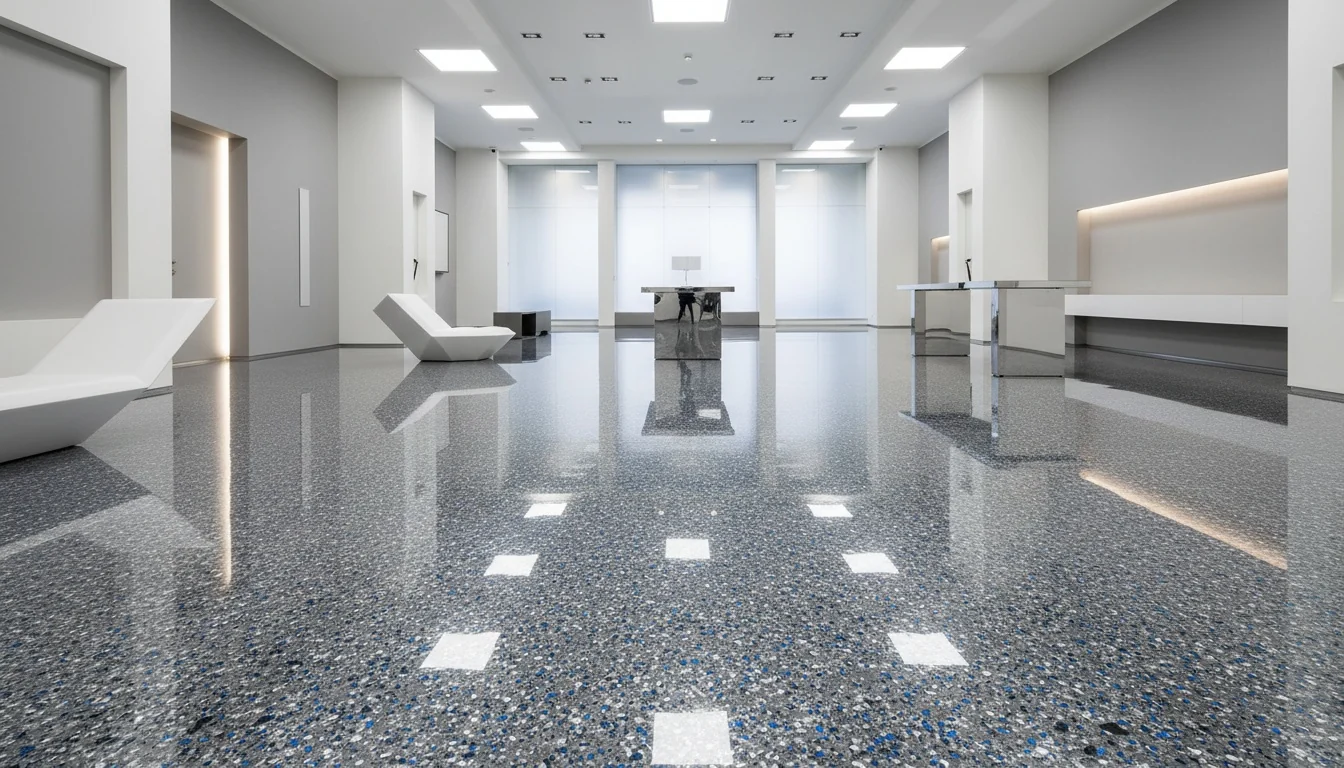
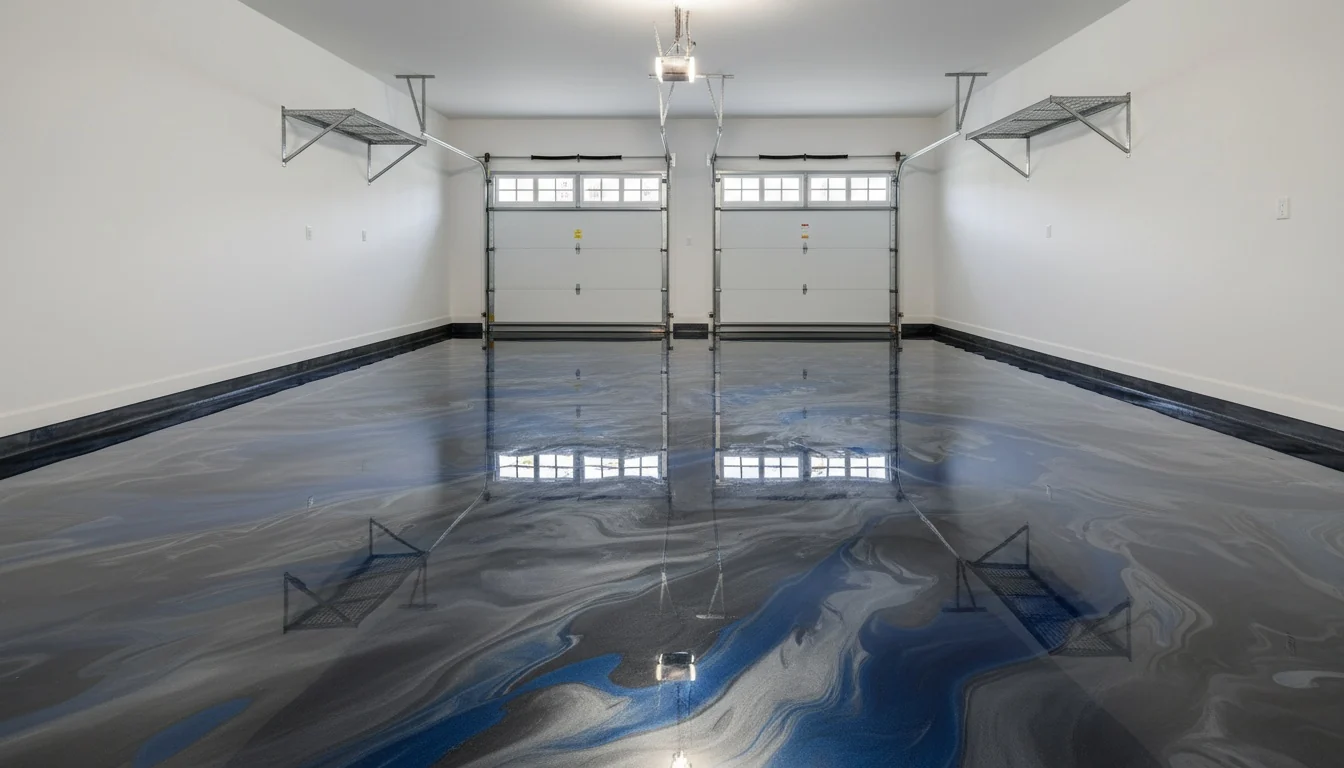
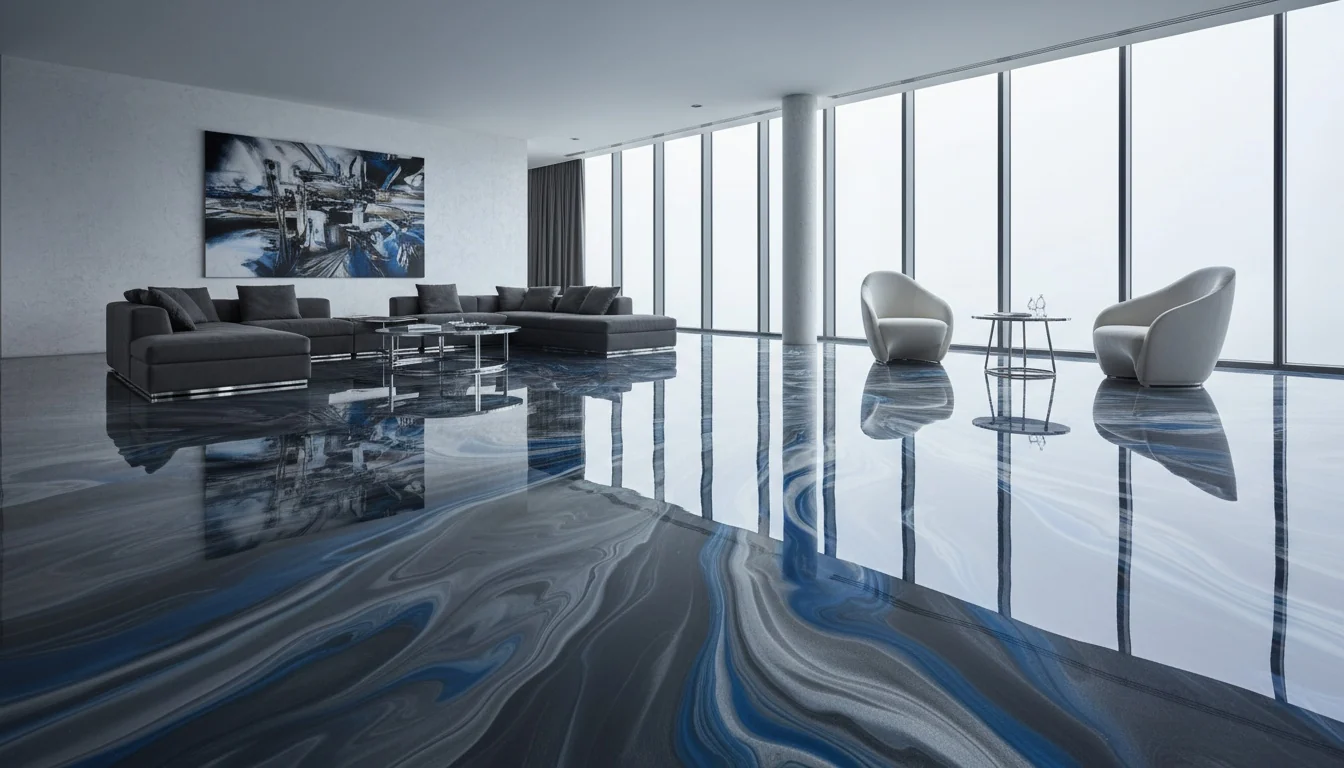
    The first photos are a real Cape Allied Flooring job. The rest are finish examples of the styles we work with (metallic, flake, solid-colour and high-gloss) to help you picture the look for your own floor.

    Cape Allied Flooring job: light stone carpet pool deck with a dark grey stone carpet borderCape Allied job
    Cape Allied Flooring job: the same stone carpet pool deck from another angle, workers on siteCape Allied job
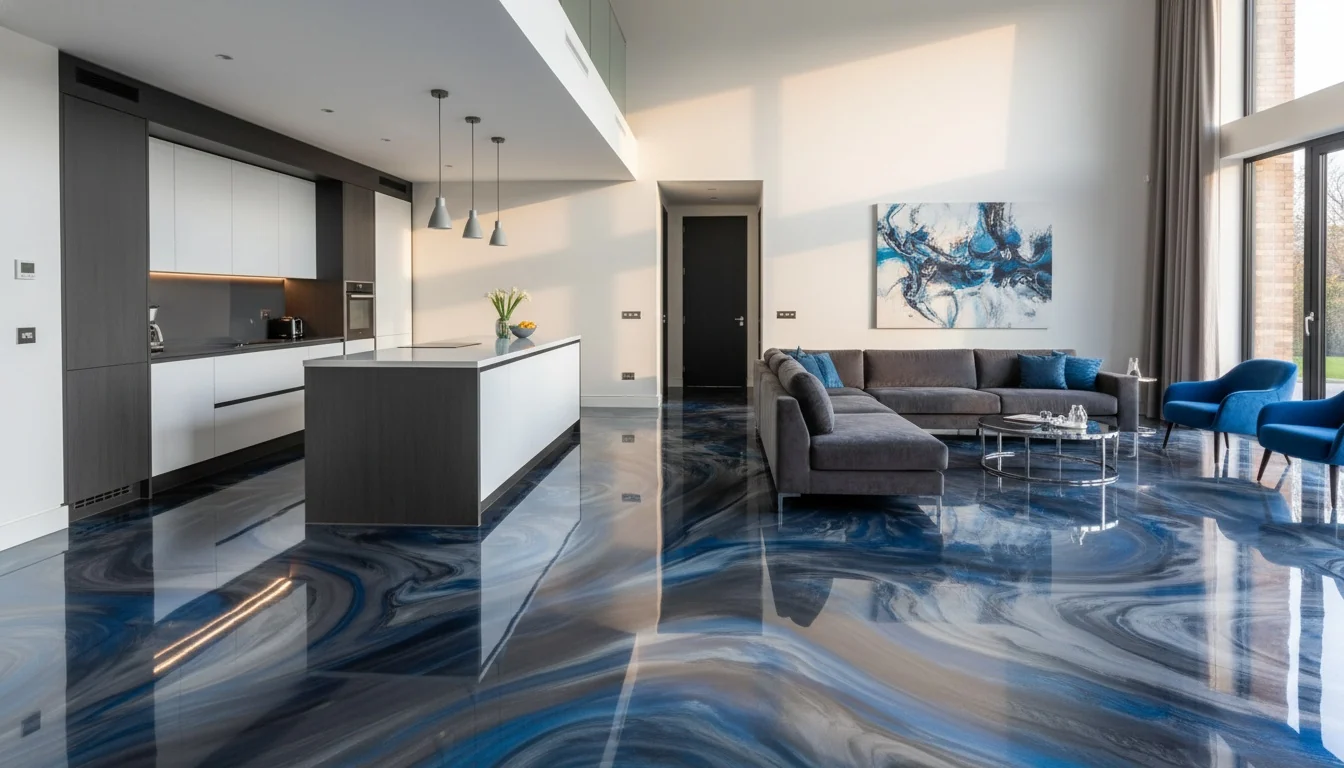
    Marbled metallic epoxy floor in charcoal and cobalt
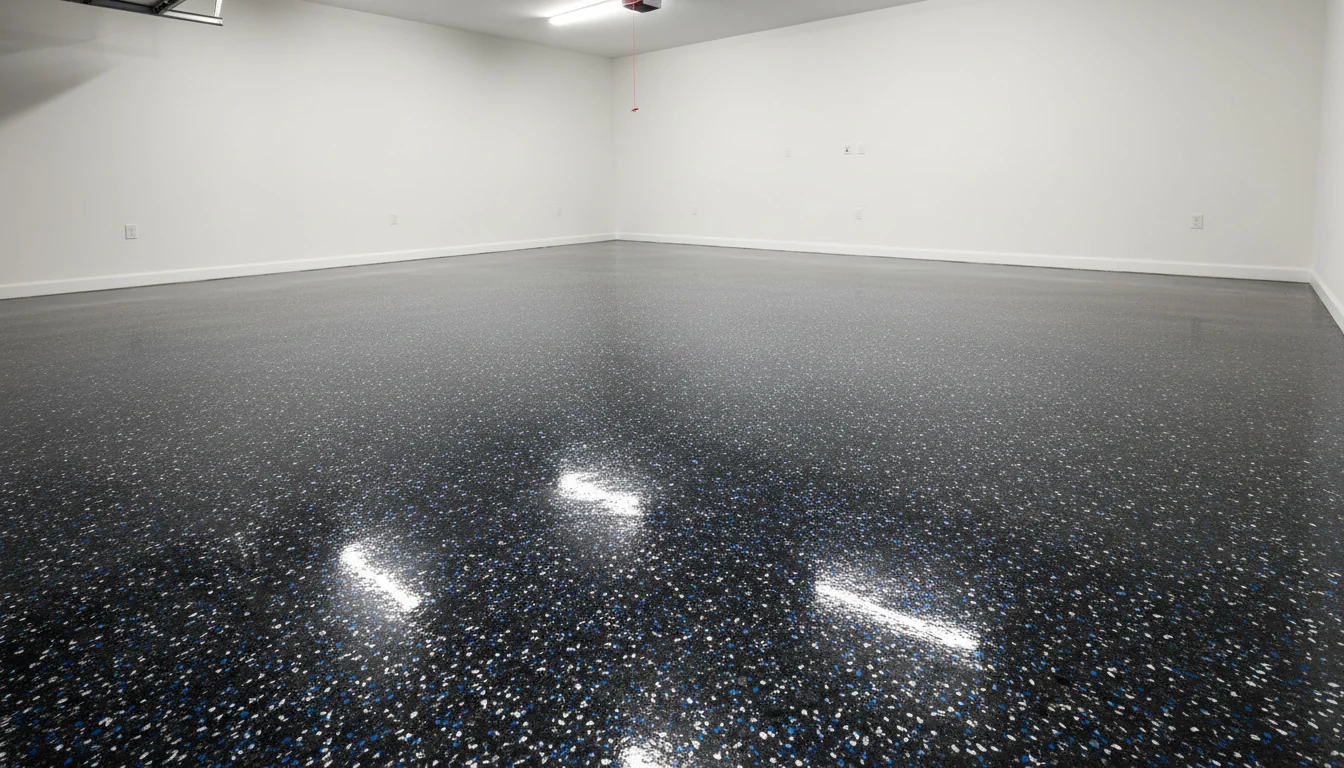
    Flake-chip epoxy floor, black base with blue and grey chips
    Silver-grey metallic epoxy floor in an open-plan living space
    Seamless slate-grey solid-colour epoxy floor
    Neutral grey and white flake-chip garage floor
    Copper and bronze metallic epoxy feature floor
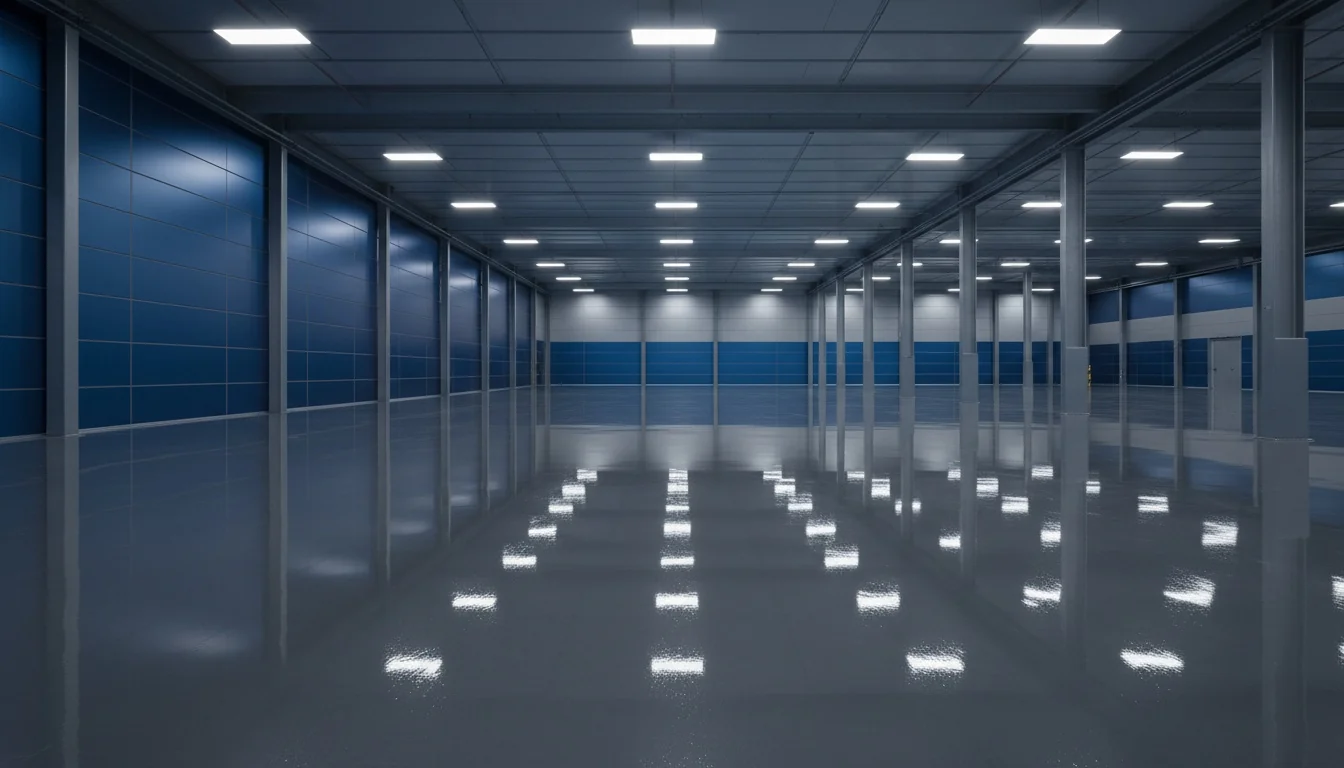
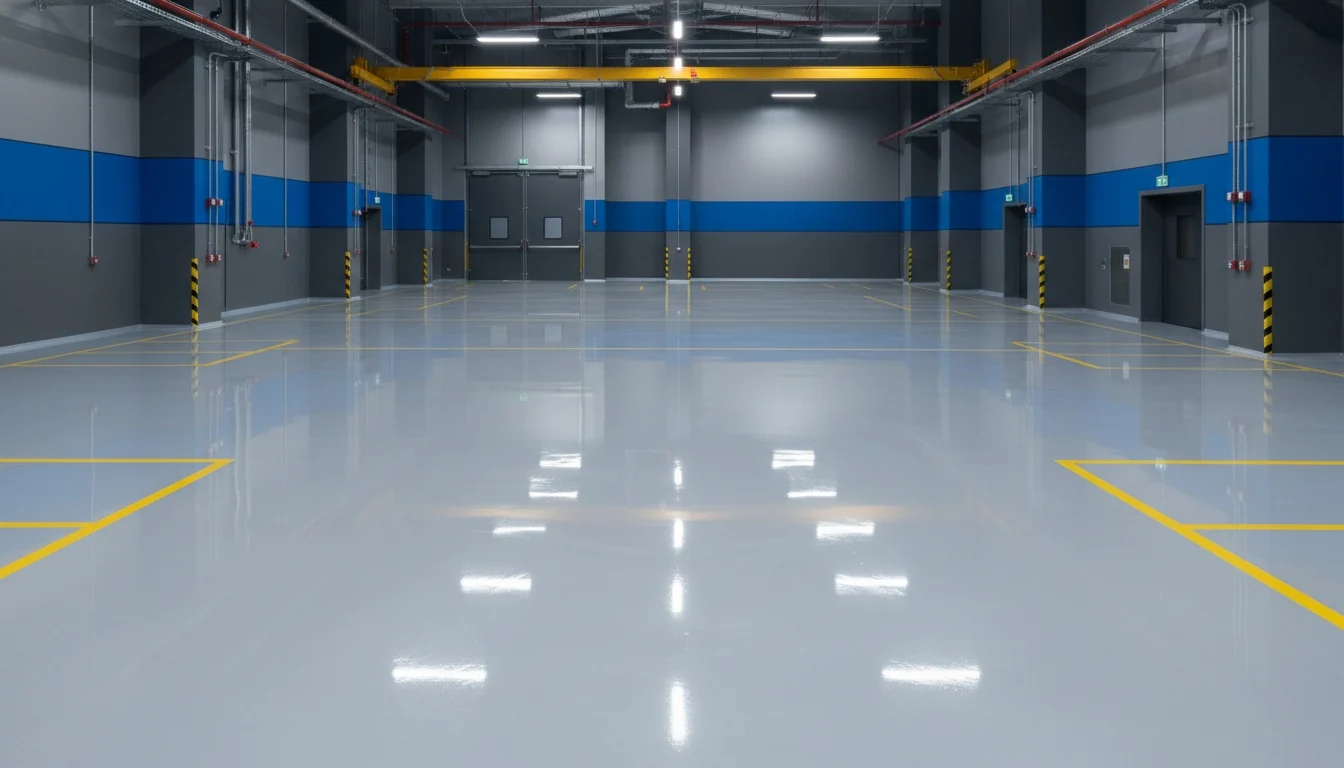
    Heavy-duty high-build grey industrial epoxy floor
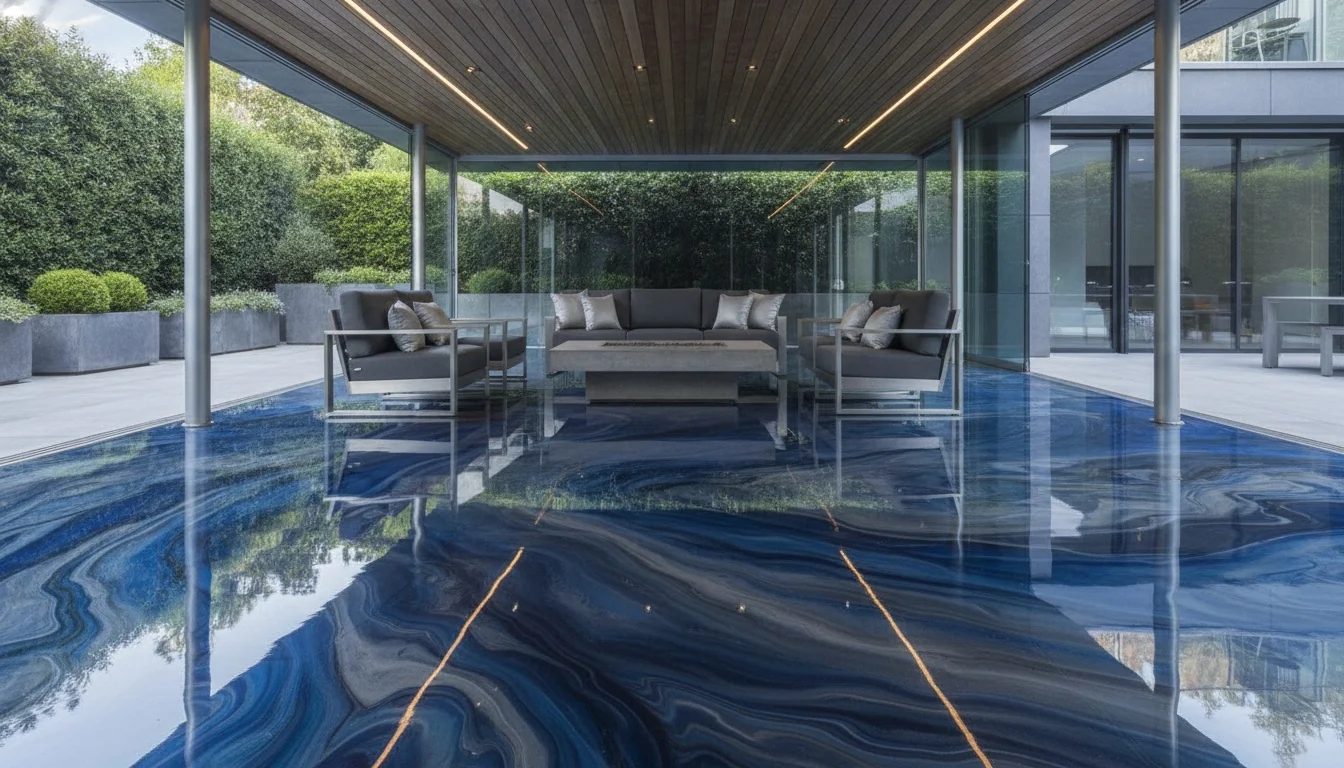
    Deep ocean-blue metallic epoxy floor with white veining
    Warm sandstone flake epoxy floor with a satin top-coat
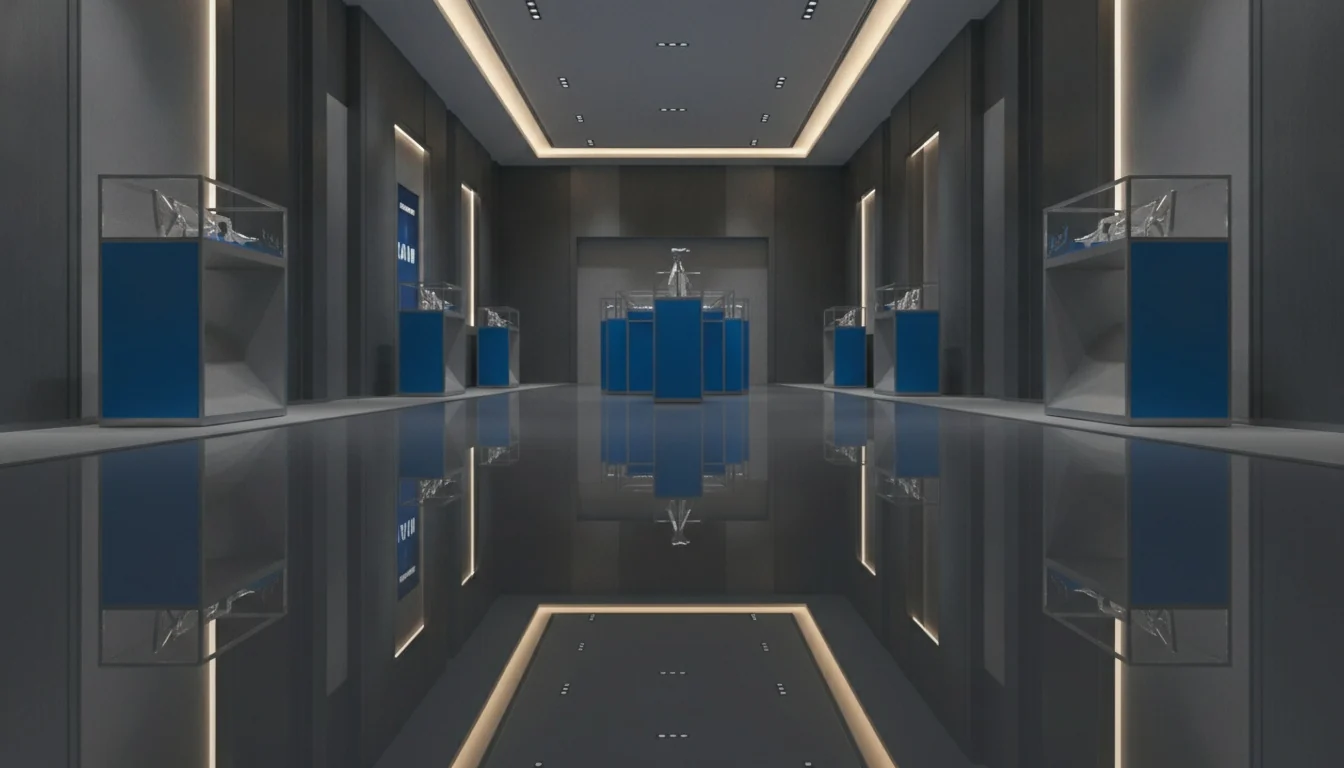
    Bright gloss-white seamless epoxy showroom floor

    Labelled photos are Cape Allied Flooring jobs; all others are finish examples.