Industrial Flooring & Commercial Epoxy in Cape Town
Seamless, heavy-duty floor systems built for forklifts, machinery, chemicals and constant traffic — and the hygiene standards your space has to meet. Industrial and commercial floors are the core of our work, from warehouses and factories to showrooms and shops.
Floors specified for serious workloads
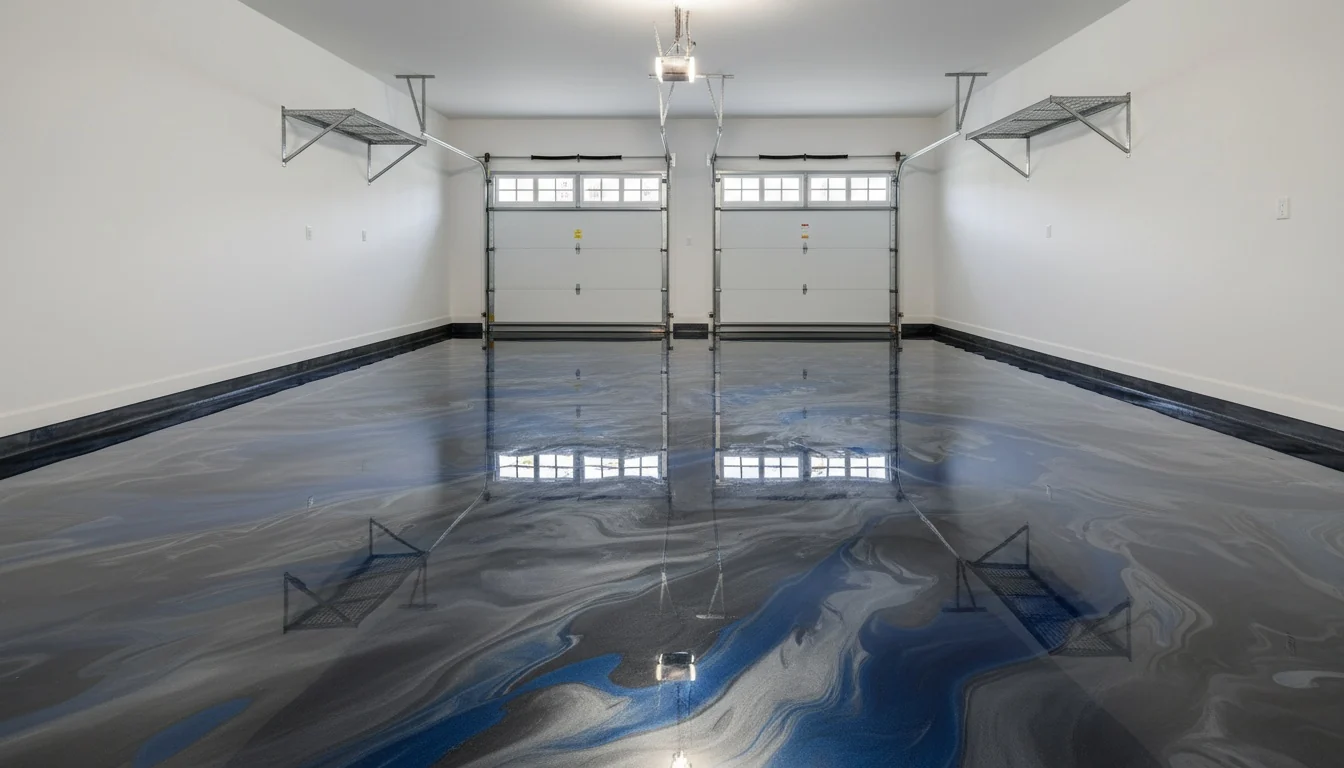
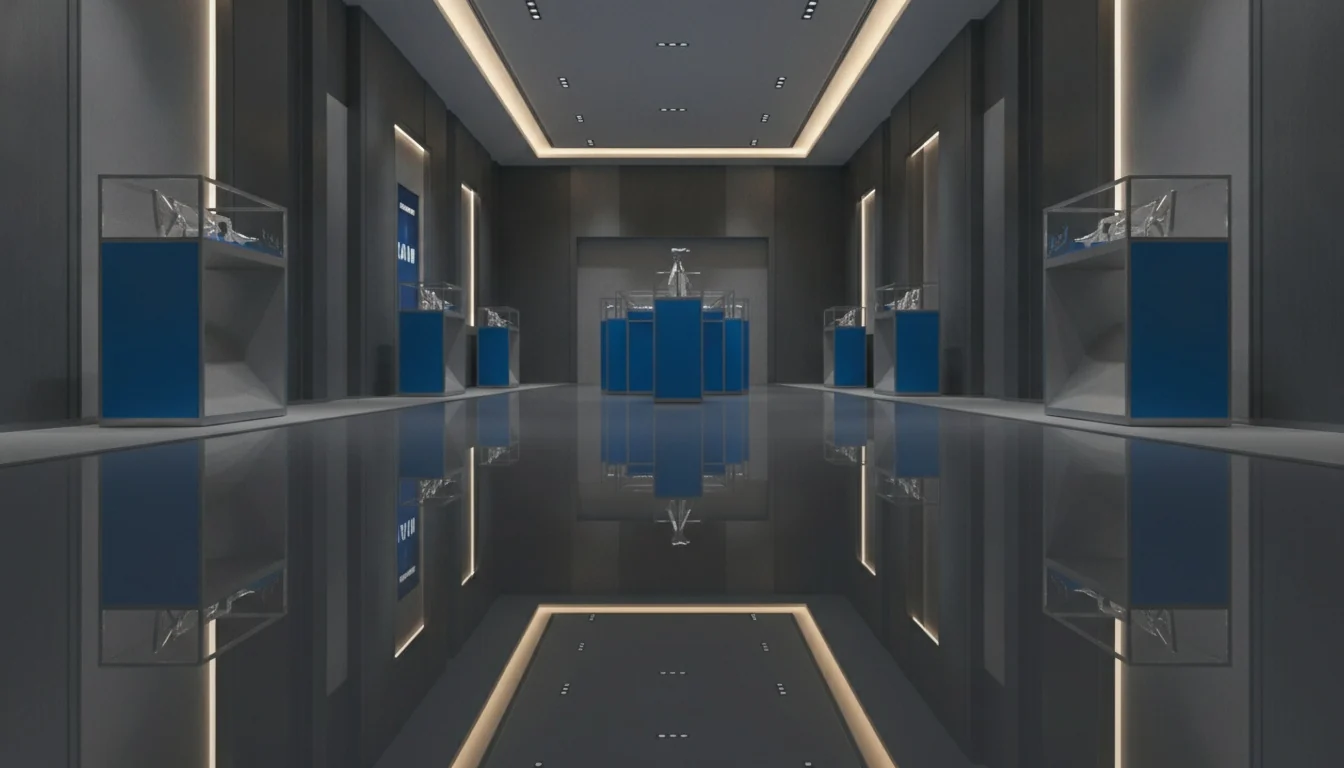
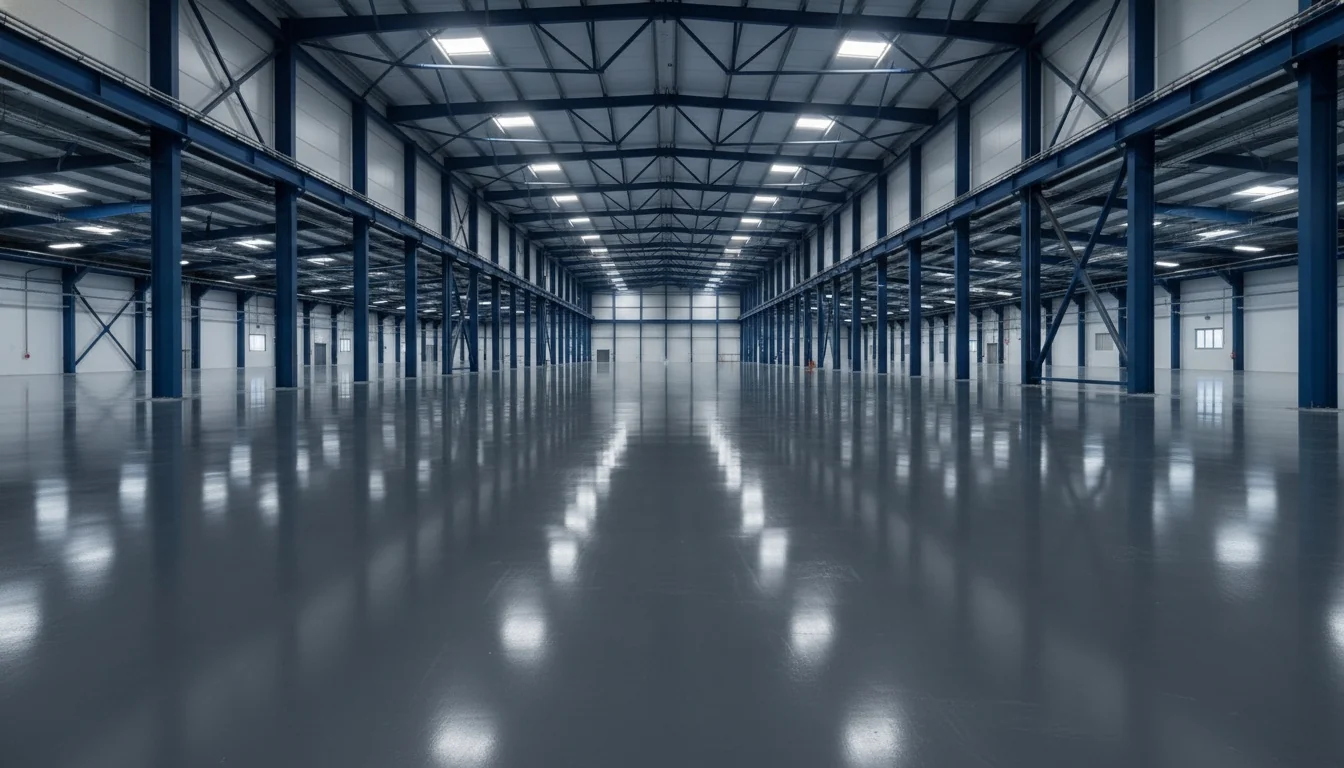
Industrial and commercial epoxy isn't one product — it's a family of systems matched to the load and conditions a working floor has to survive. That ranges from a tough, cost-effective solid-colour coating for a showroom or retail floor, to high-build and self-levelling epoxy that takes forklift and pallet traffic in a warehouse, through to chemical-resistant and food-grade systems for production, pharma and laboratory environments. Fast-cure polyaspartic and polyurethane coatings keep downtime to a minimum where a business can't stand still — and handle the heat and harsh chemicals that defeat a standard epoxy.
What they share is performance: a seamless, jointless surface bonded into the slab that resists abrasion, impact, chemicals and constant traffic, washes down clean, and meets hygiene and safety standards. We assess the slab, the traffic and your operational requirements, then specify the right system, thickness, anti-slip and line-marking — so the floor does its job for years, not months. Keeping it in that condition is routine rather than difficult: cleaning and maintaining an epoxy floor sets out the wash-down regime and what to keep off it.
Engineered for the way you work
Takes heavy traffic
High-build and self-levelling systems handle forklifts, pallet jacks, machinery and impact without breaking up.
Chemical & abrasion resistant
Resists oils, solvents, acids and constant wear — protecting the slab and keeping the floor serviceable.
Hygienic & seamless
Jointless surfaces with optional coving wash down clean — ideal for food, pharma and clinical spaces.
Safe & clearly marked
Anti-slip aggregate plus line-marking for traffic lanes, walkways and safety zones, to standard.
Warehouse and factory floor coatings
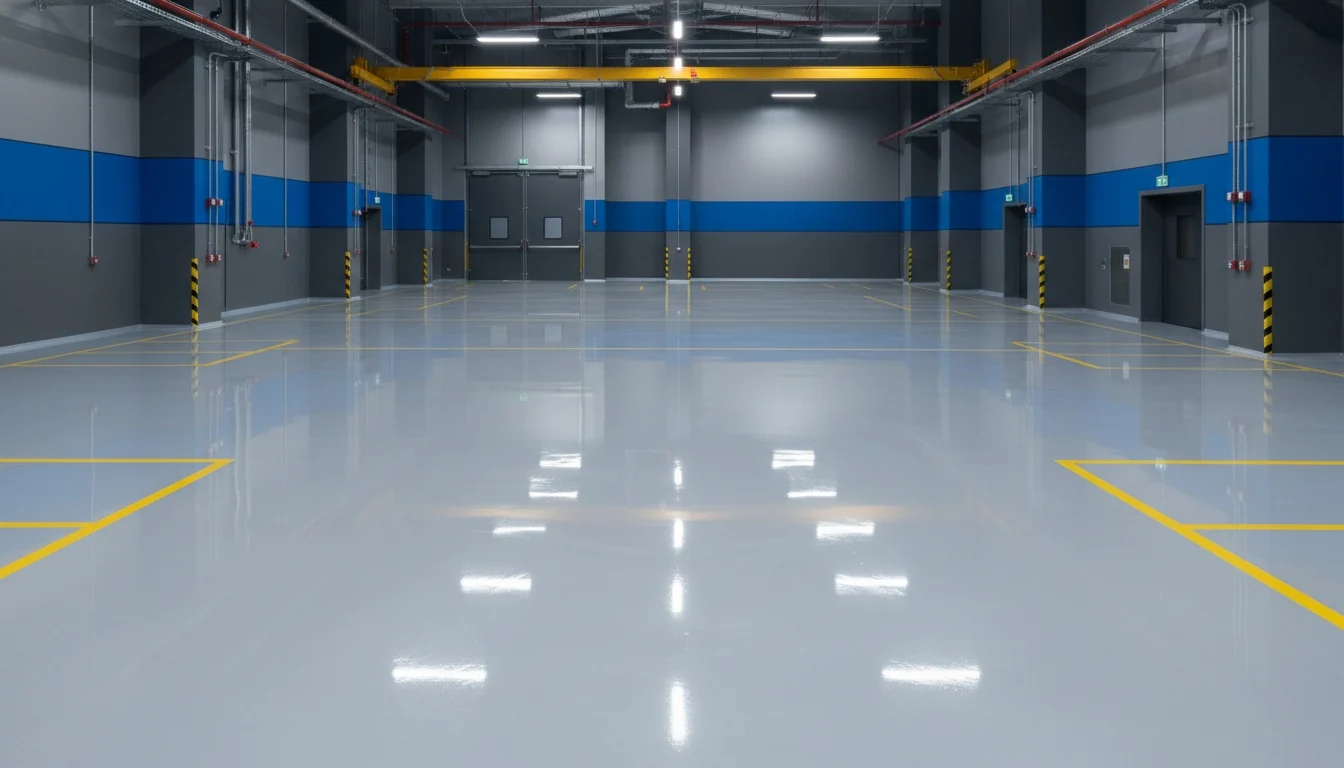
A warehouse floor fails at the joints and where forklifts turn, so that is where the specification starts. We grind or shot-blast the slab, repair the joints and spalled edges, then build a high-build or self-levelling epoxy thick enough for the loads it carries. Traffic lanes, pedestrian walkways and racking zones are line-marked into the system, and anti-slip goes where the floor gets wet. Factories and workshops get the same approach, with the chemical resistance matched to what actually lands on the floor: oils, coolants, solvents or acids.
Food and beverage floors
South Africa's food hygiene regulations (R638 of 2018) require the floor of a food-handling area to have no open joints or seams and to be smooth, non-absorbent, cleanable and water-resistant. A seamless resin floor coved up the wall meets that. Where the floor also takes boiling water, steam cleaning or harsh detergents, we specify polyurethane flooring rather than standard epoxy, at around R685 per m².
Who lays your floor
We're Cape Allied Flooring, based in Brackenfell and laying floors since 2016. The systems we install come from Sika, Technical Finishes and Kwikrete, and we hold an accreditation from Technical Finishes. We work anywhere in the Western Cape, from the city's industrial areas to farms.
Industrial & commercial epoxy pricing in Cape Town
These systems are priced per square metre by build, thickness and the demands of the space. A realistic Cape Town guide for 2026:
- Industrial / self-levelling / heavy-duty epoxy — from R480 per m²
- Polyurethane systems — around R685 per m²
- Light-duty retail & showroom coatings sit closest to the starting rate
- Thick high-build, food-grade & self-levelling floors cost more
- Older or contaminated slabs need more prep, which affects the figure
Larger floor areas often bring the per-square-metre rate down, while heavy prep, line-marking and coving add to it. Every quote includes surface preparation, premium product and professional installation. For a full breakdown across systems, see the epoxy flooring price guide.
Our industrial floor process
On-site assessment
We inspect the slab, traffic and operating conditions, then specify the right system, thickness and safety features.
Mechanical prep
Diamond grinding or shot-blasting removes contamination and laitance; cracks, joints and spalling are repaired.
Build the system
Primer, then high-build or self-levelling coats, anti-slip and line-marking — applied in planned phases to limit downtime.
Cure & return to service
Many floors take light traffic within 24 hours; full chemical and load resistance develops over the following days.
Industrial & commercial floors across Cape Town
Warehouse, workshop or shopfront — wherever your premises are in the Western Cape, we'll assess the slab on-site and quote a hard-wearing system. Around Cape Town:
Industrial & commercial epoxy — common questions
What Cape Town business and facility owners ask before specifying a floor.
Need a working floor that keeps up?
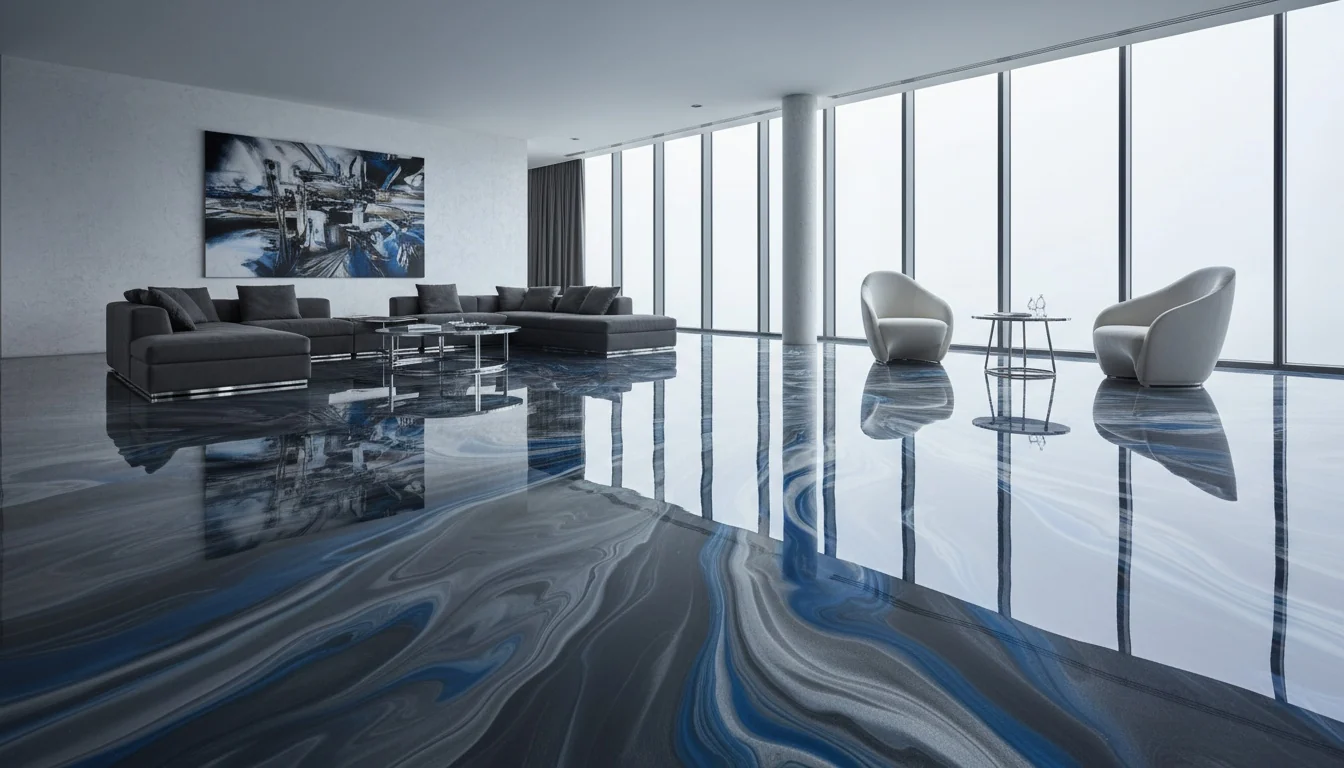
Book a free on-site assessment and we'll specify the right system and give you a per-square-metre quote. For showroom and retail floors, many businesses pair durability with the designer look of a metallic epoxy finish — or start from our Cape Town epoxy flooring overview.