
If you are redoing a floor in your Cape Town home, the choice nearly always comes down to two options: an epoxy floor or tiles. Both can look superb and both can last for years, but they behave very differently underfoot, cost different amounts to install and ask different things of you to keep clean. We lay epoxy floors for Cape Town property owners every week, so we hear the same question constantly — epoxy vs tiles, which is actually better for my space? This is an honest, no-spin comparison to help you decide before you commit.
Key takeaways
- Cost is closer than people think. Both epoxy and tiles, professionally fitted, tend to overlap in price once labour, adhesive and grout are counted.
- Epoxy is seamless; tiles have grout lines. That single difference drives most of the cleaning, hygiene and looks comparison.
- Epoxy resists cracking and chipping better than glazed tiles in high-impact spaces like garages and workshops.
- Tiles still win in some rooms — bathrooms, showers and anywhere you want a specific ceramic pattern.
Epoxy vs tiles at a glance
Before we dig into the detail, here is the quick comparison most people are looking for. Treat it as a starting point — the right answer always depends on the room and how you use it.
| Factor | Epoxy flooring | Tiles |
|---|---|---|
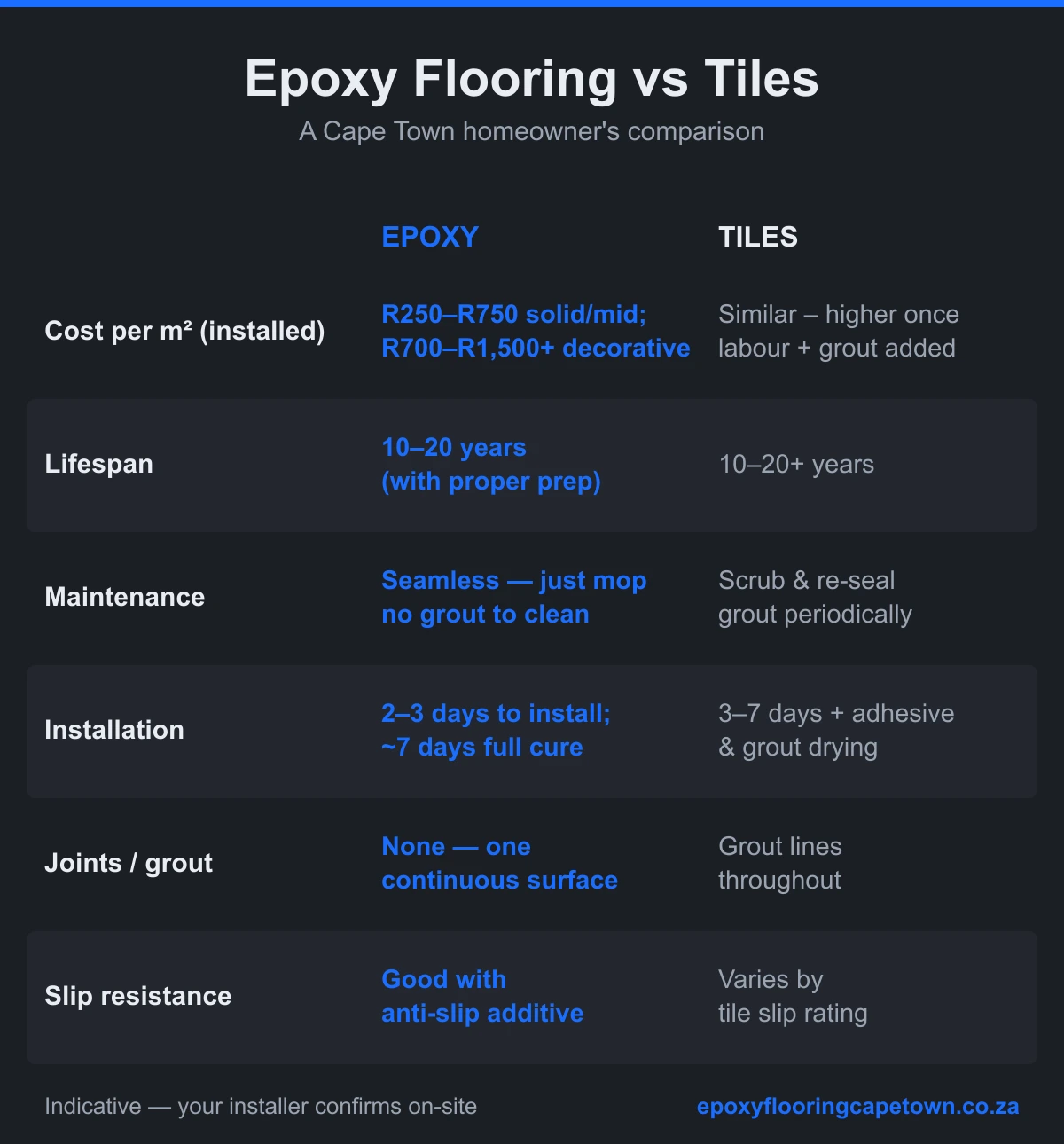
| Cost | ~R250–R750/m² for solid & mid-range systems; R700–R1,500+/m² for decorative flake & metallic | Similar bracket or higher once tiling labour, adhesive and grout are added |
| Durability | Very high impact and abrasion resistance; bonded to the slab (but follows major slab movement) | Hard but brittle — glazed tiles can chip or crack on heavy impact |
| Maintenance / cleaning | Seamless — wipes and mops clean in minutes, no grout to scrub | Grout lines trap dirt and need regular scrubbing and re-sealing |
| Look & finish options | Metallic, flake, solid colour, high-gloss to matte — poured, continuous look | Huge range of patterns, textures and ceramic styles |
| Installation time | Usually two to three days for a garage, longer for decorative systems (cure time) | Comparable, plus drying time for adhesive and grout |
| Joints / grout | None — a single continuous surface | Grout lines throughout; a common weak point and maintenance chore |
| Best for | Garages, workshops, sculleries, patios, open-plan living areas | Bathrooms, showers, traditional or patterned floors |
Cost: is epoxy flooring cheaper than tiles?
This is the first thing everyone asks, and the honest answer is that epoxy vs tiles price is closer than most people expect. A professionally installed epoxy floor in Cape Town typically sits around R250 to R750 per m² for a solid-colour or mid-range system; decorative flake and poured metallic finishes are more involved and commonly run R700 to R1,500+ per m². Tiles look cheaper on the shelf, but once you add a skilled tiler's labour, adhesive, grout, edge trims and the wastage from cutting, the installed figure climbs quickly and often lands in the same bracket — or higher for premium tiles.
Where epoxy can genuinely come out ahead is on an existing slab or floor: there is less material, less demolition and, in some cases, the installer can coat straight over what is already there. So while neither is reliably "the cheap option", epoxy frequently delivers more floor for the money. For realistic numbers on what epoxy flooring costs by system and area, have a look at our pricing breakdown rather than working off a single per-square-metre figure.
Durability and longevity
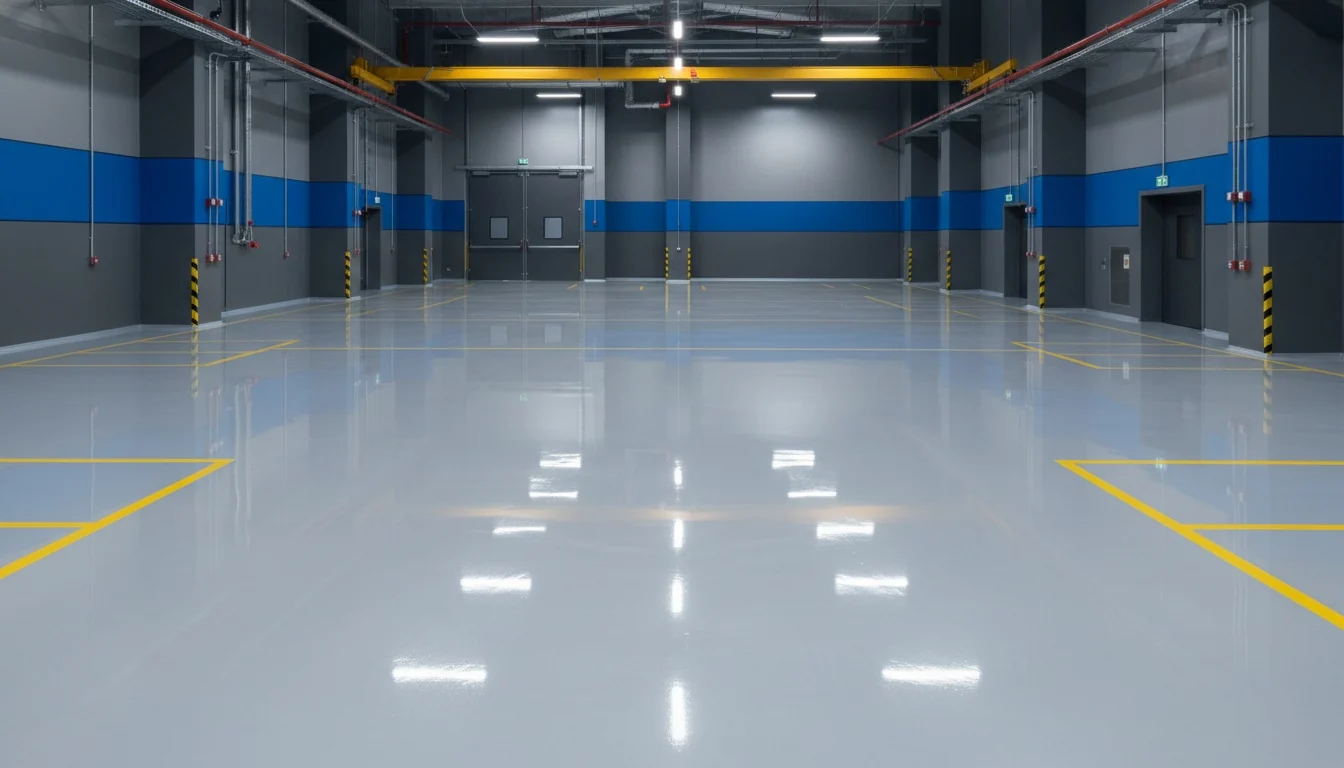
Both floors can last well over a decade when they are fitted properly, but they fail in different ways. Tiles are extremely hard, which is a strength and a weakness: drop a heavy tool or a full paint tin and a glazed tile can chip or crack, and a single cracked tile in the middle of a floor is a frustrating, visible thing to repair. Epoxy, by contrast, is a continuous coating bonded to the concrete. It shrugs off impact, abrasion, tyre traffic and dropped objects far better, which is exactly why it dominates garages and workshops.
The catch with epoxy is that its longevity lives or dies on preparation. If the slab underneath moves or was never ground and primed correctly, even a good coating can lift or follow a crack in the concrete. That is why an experienced installer spends real time diamond-grinding, repairing cracks and checking for moisture before a drop of product goes down. We cover the full picture in our honest rundown of the pros and cons of epoxy, including the downsides nobody mentions and how a proper install designs them out.
Cleaning and hygiene: seamless vs grout lines
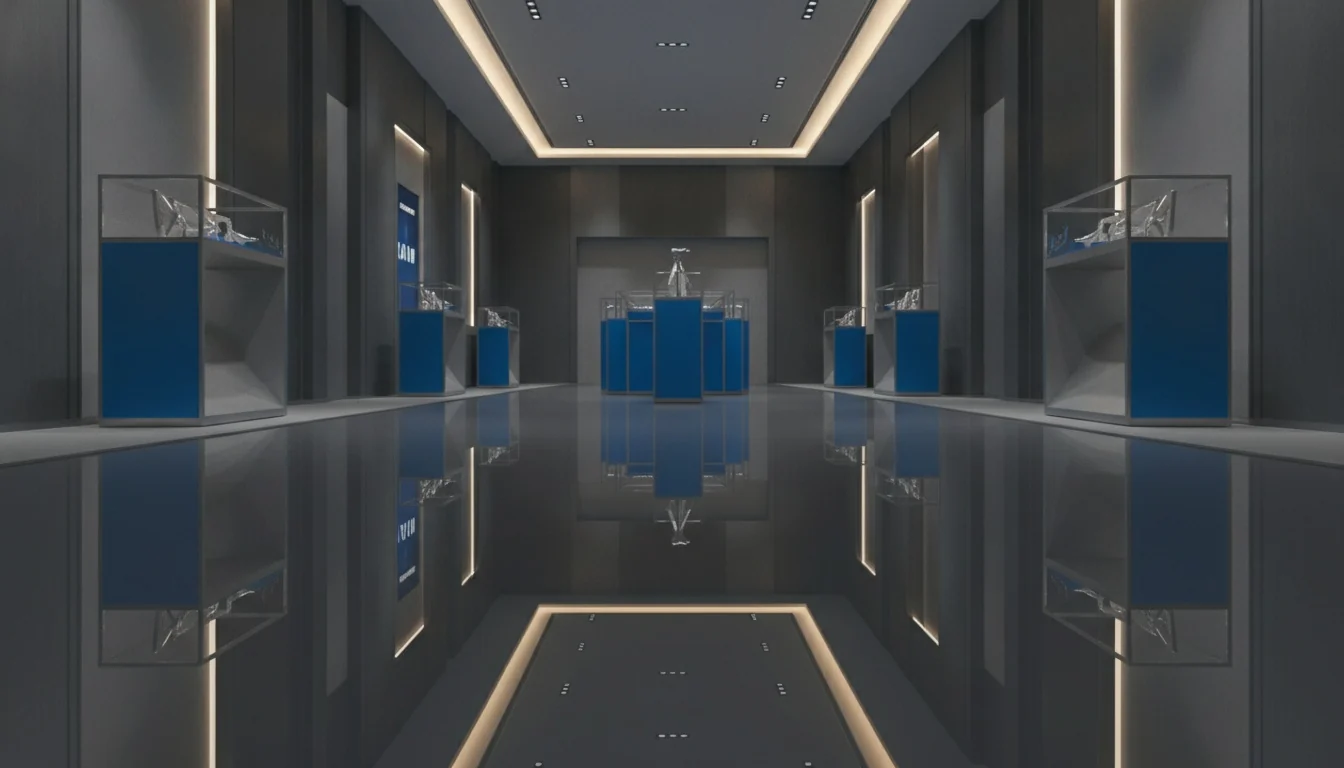
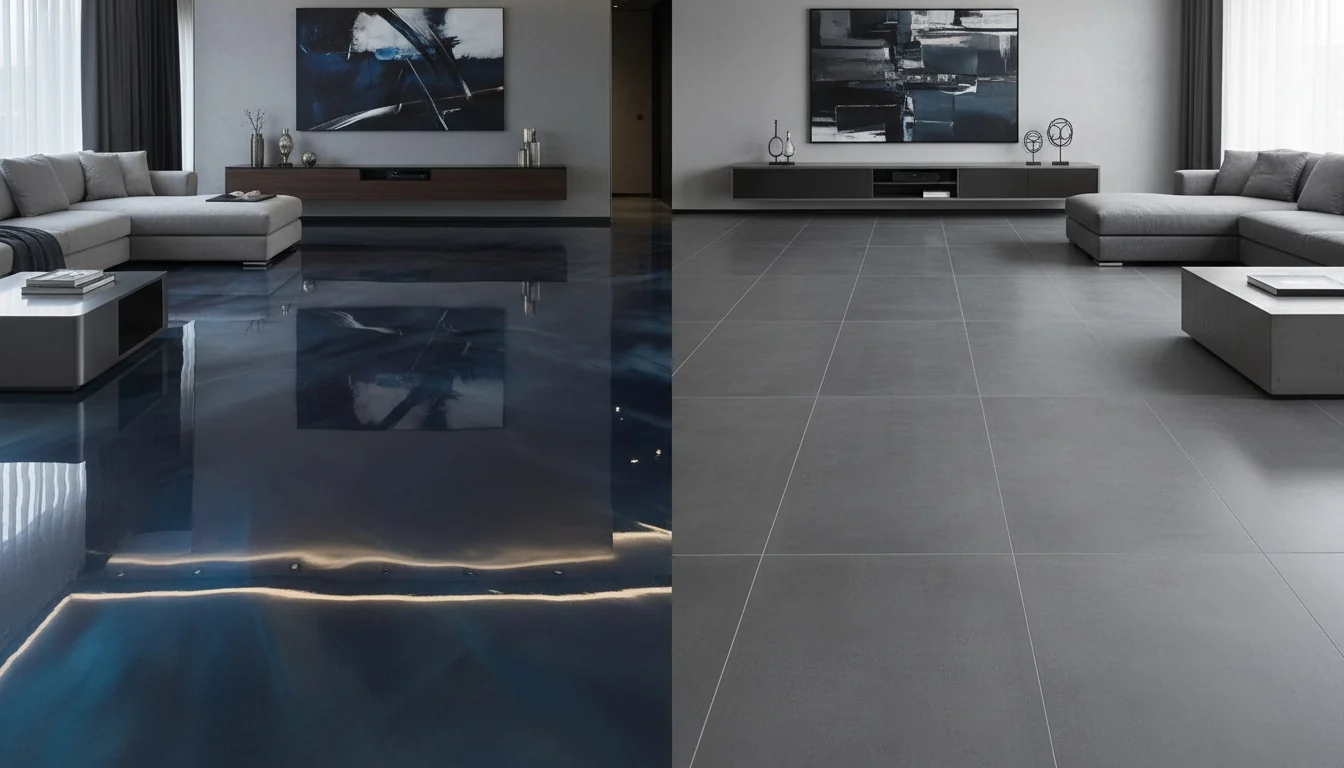
This is where epoxy quietly wins for a lot of Cape Town homes. An epoxy floor is one continuous, non-porous surface — there are no joints for dirt, grease, dust or spills to hide in. You mop it and you are done. Tiles, however well laid, come with grout lines, and grout is porous: it traps grime, stains over time, harbours mould in damp areas and needs periodic scrubbing and re-sealing to stay looking fresh.
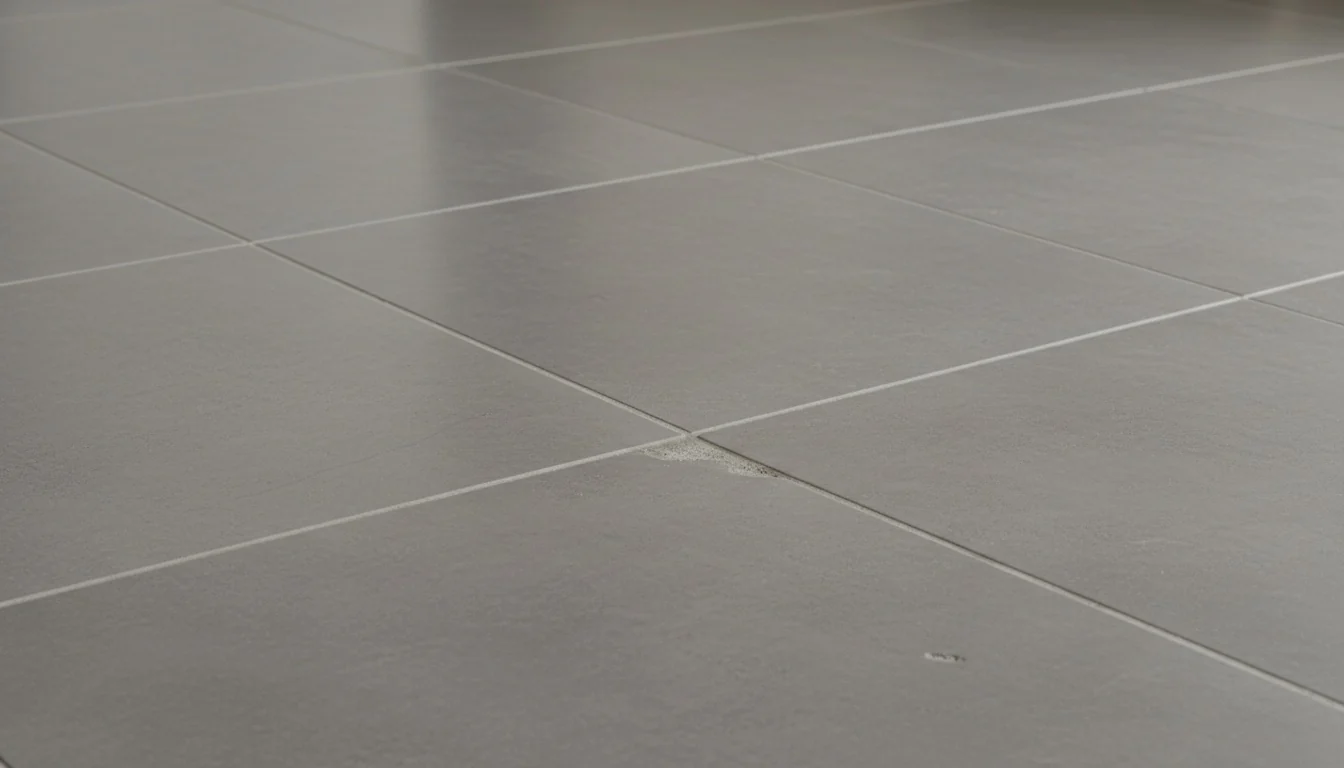
For a garage, a scullery, a laundry or a busy open-plan kitchen, that seamless, grout-free surface is a genuine day-to-day advantage. It is more hygienic, faster to clean and far less forgiving of neglect than a grid of grout lines. If easy maintenance is high on your list, the seamlessness of epoxy is one of its strongest cards.
Looks: metallic and flake vs tile patterns
Both options can look beautiful, but they offer different kinds of beauty. Tiles give you an enormous catalogue of patterns, colours, textures and ceramic styles — porcelain that mimics timber, classic patterned cement tiles, large-format stone looks and more. If you have a very specific traditional or decorative pattern in mind, tiles are hard to beat.
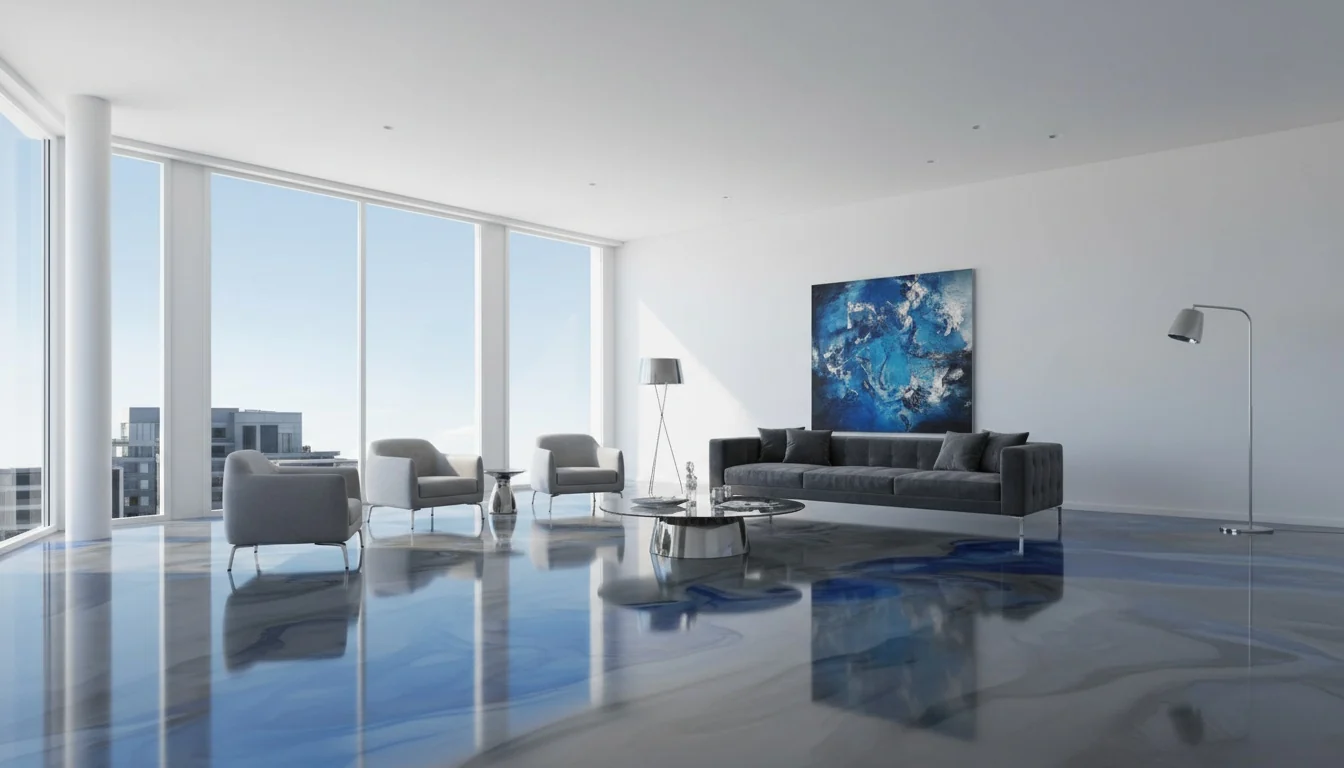
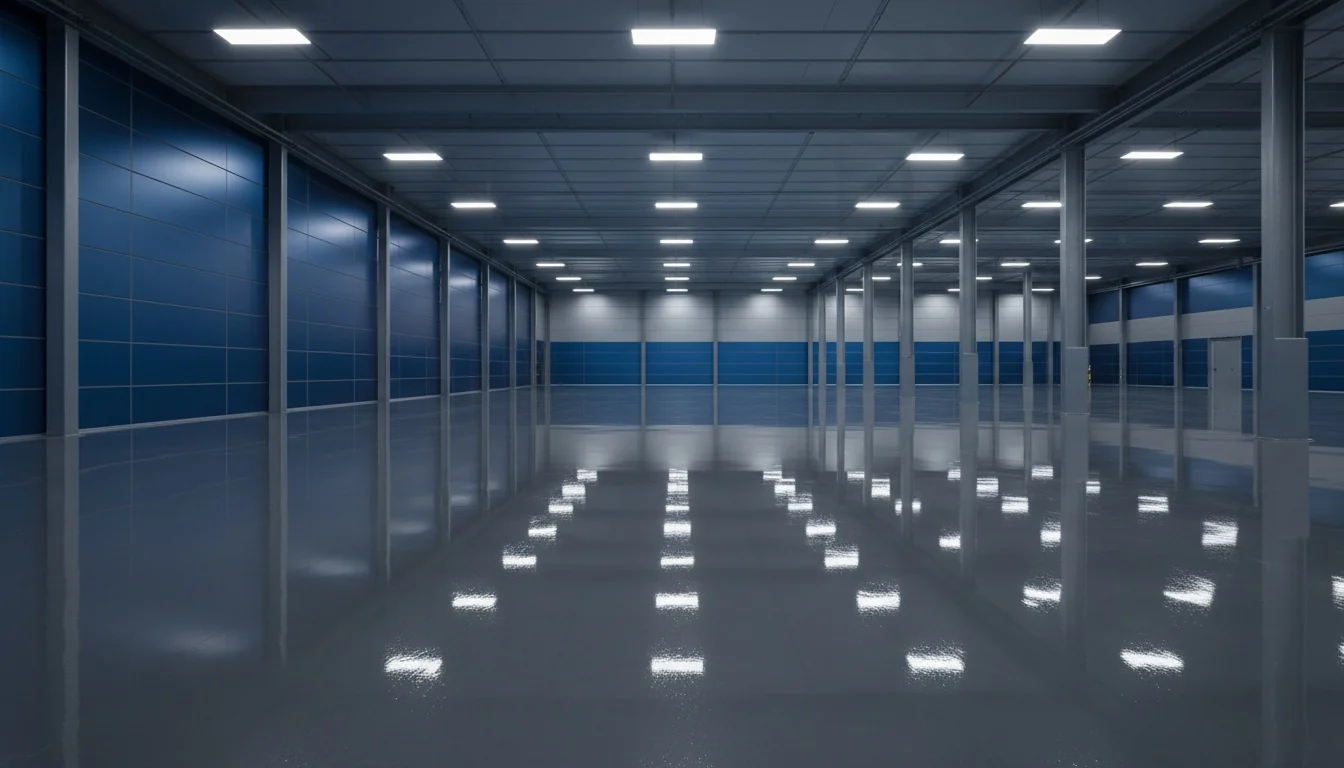
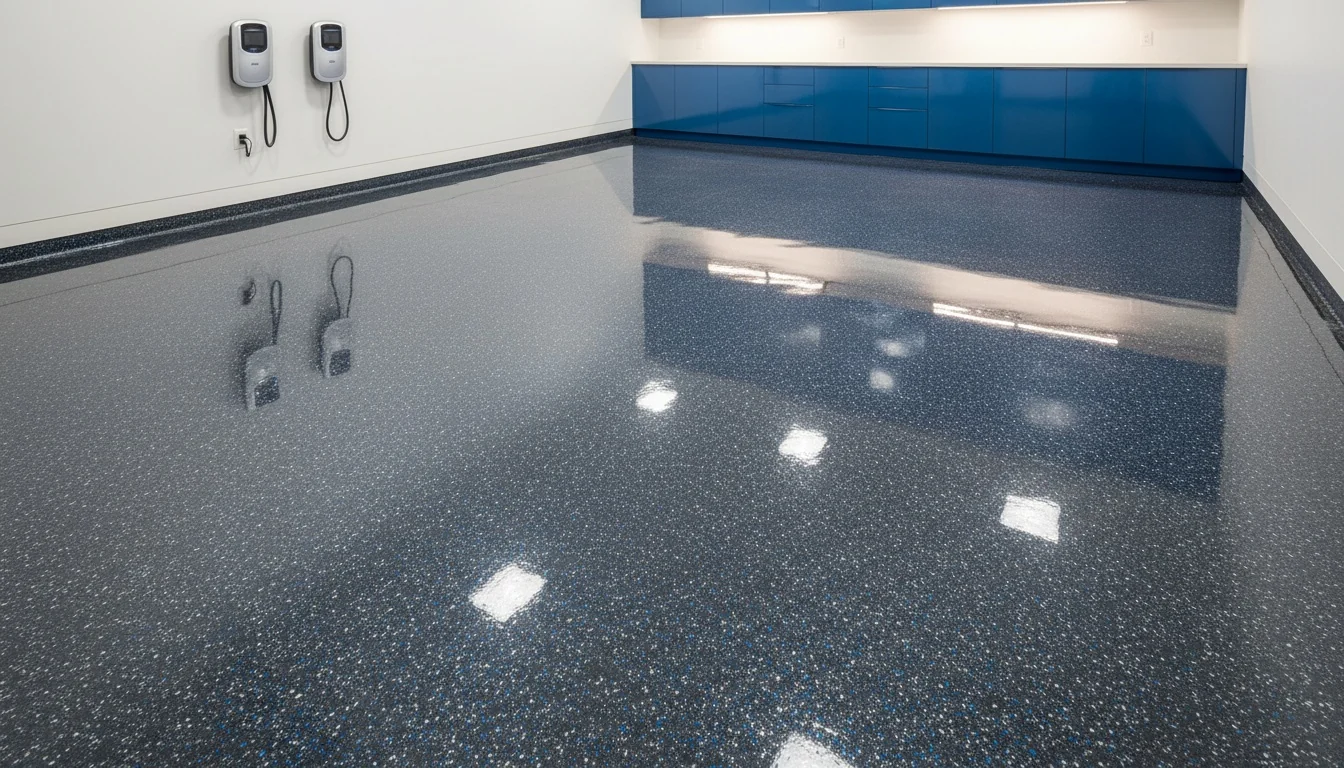
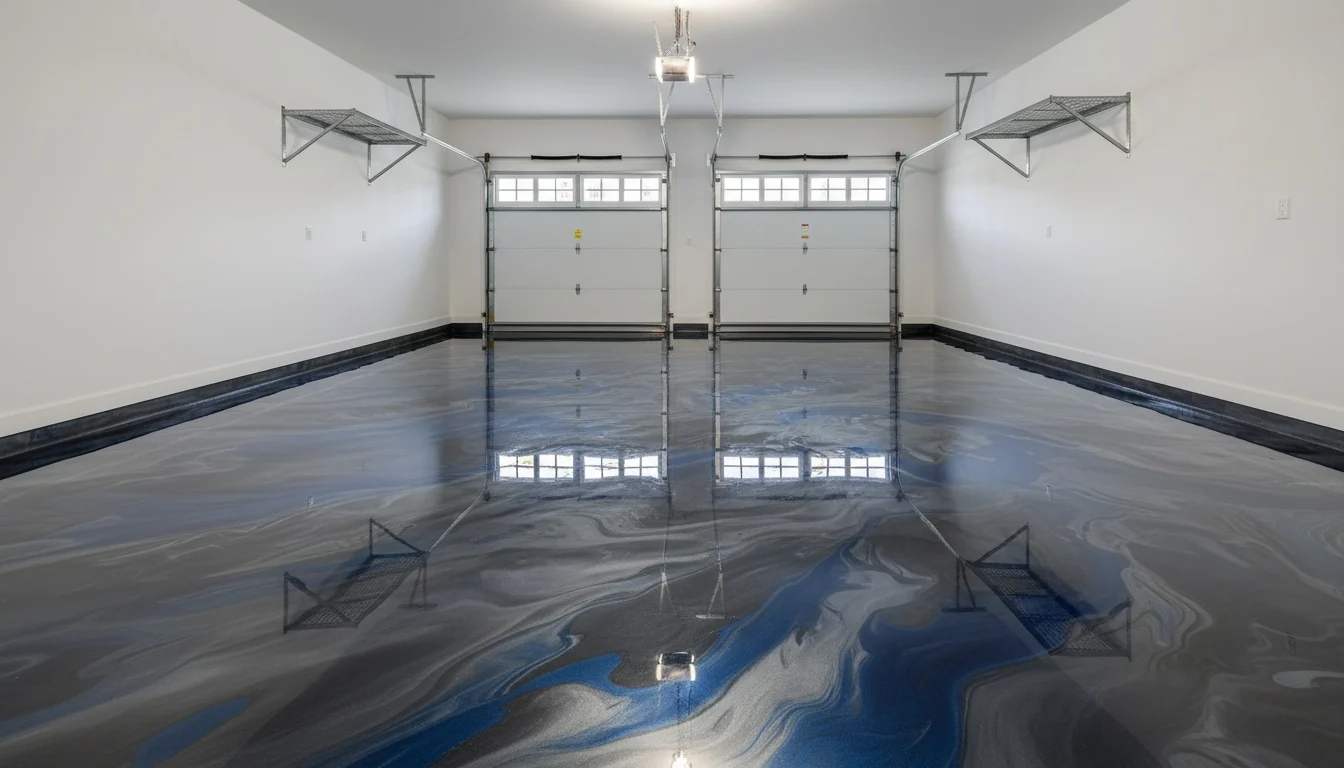
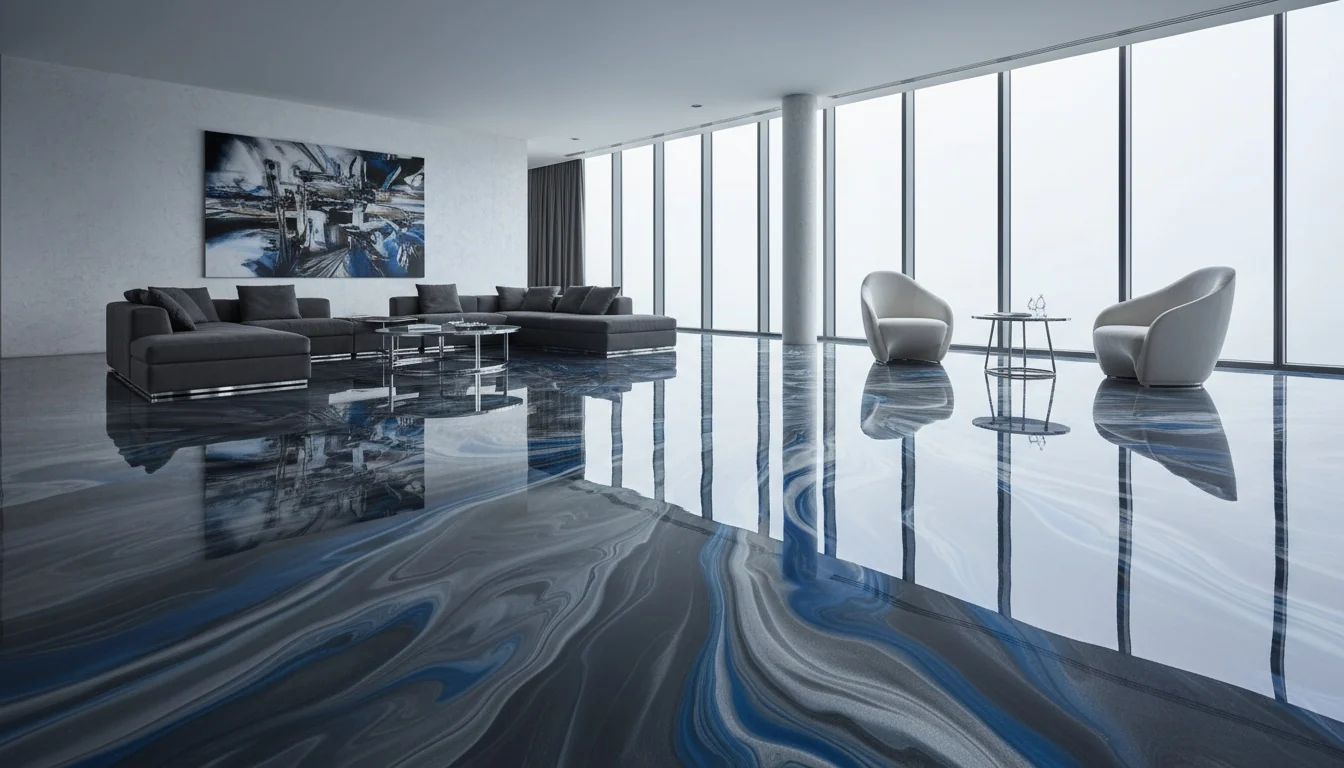
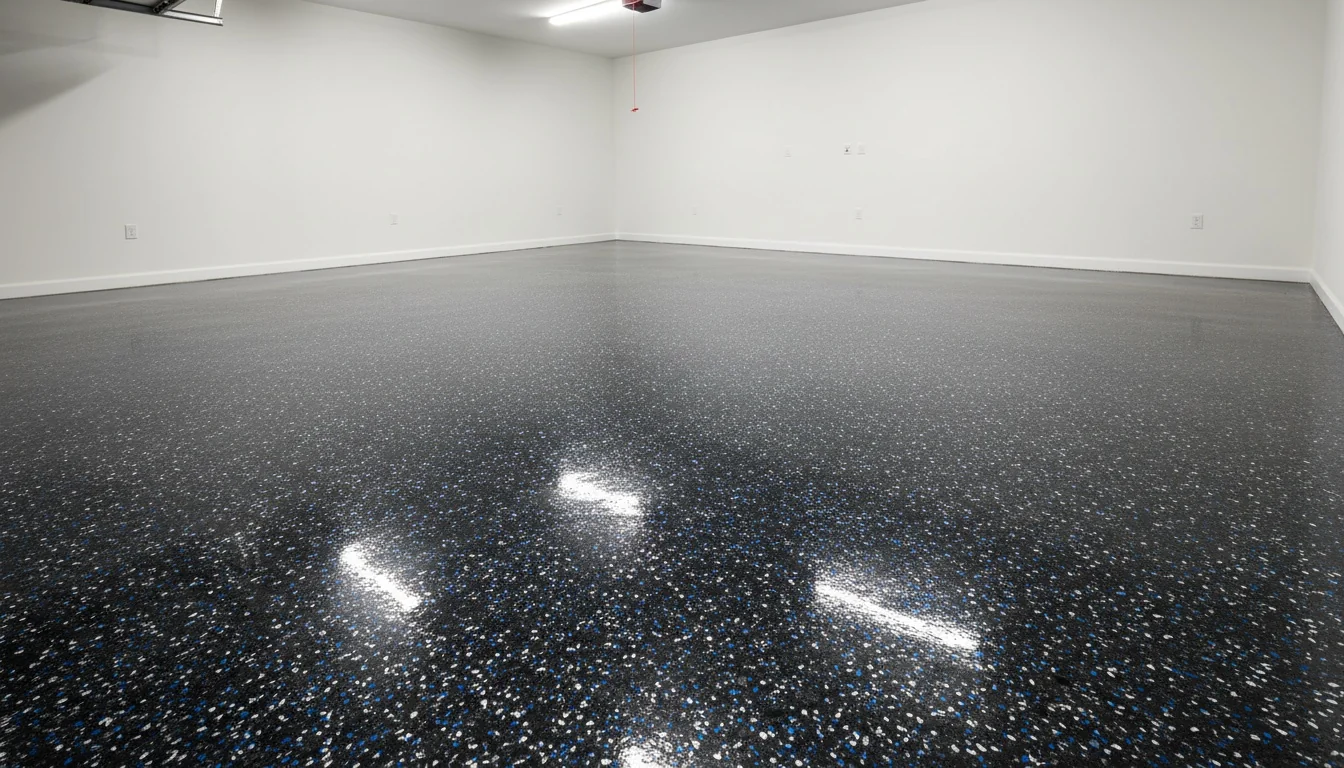
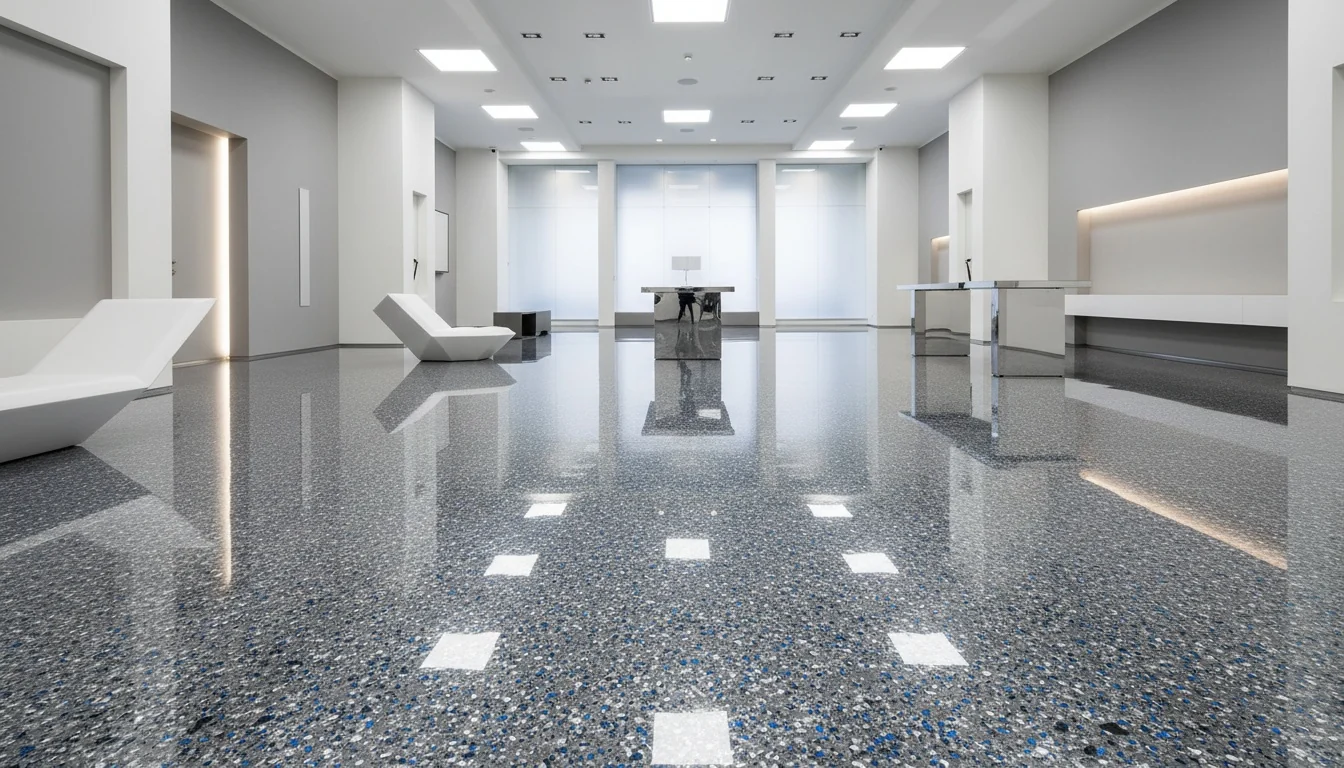
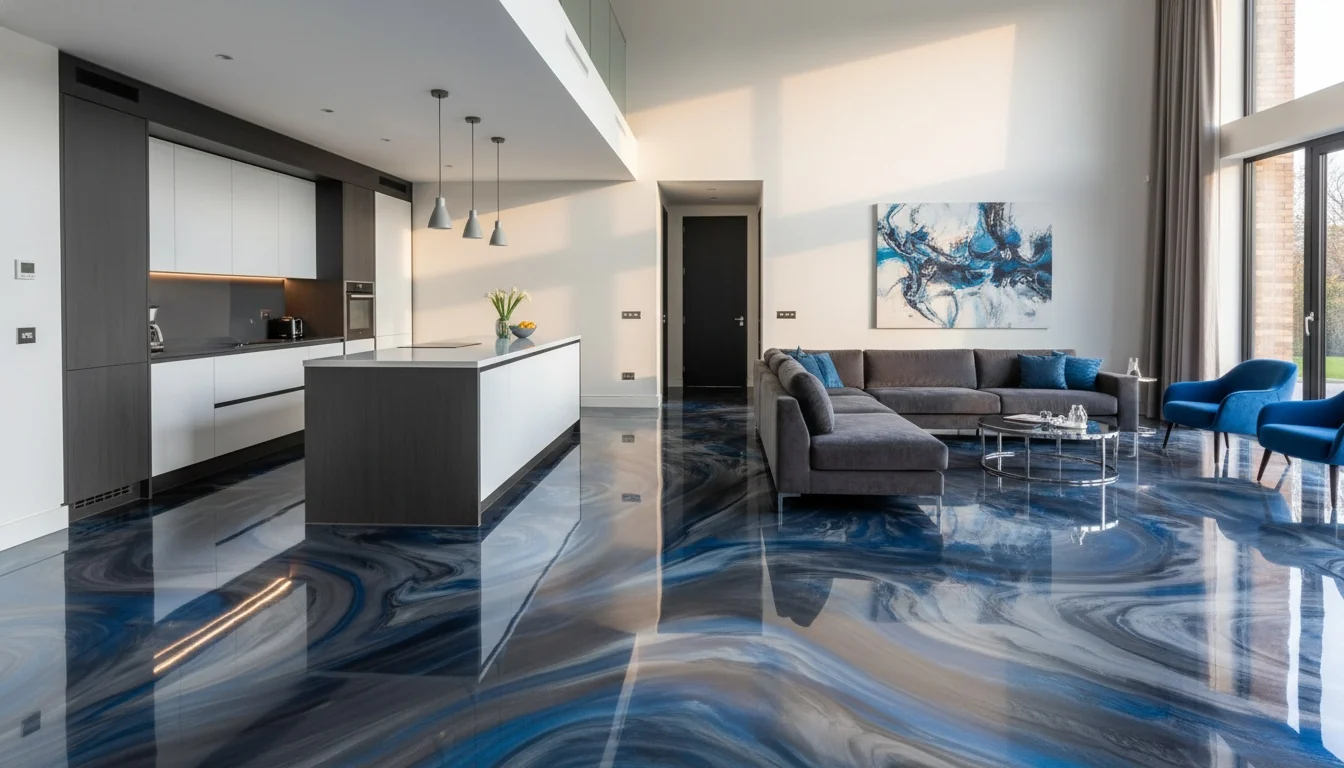
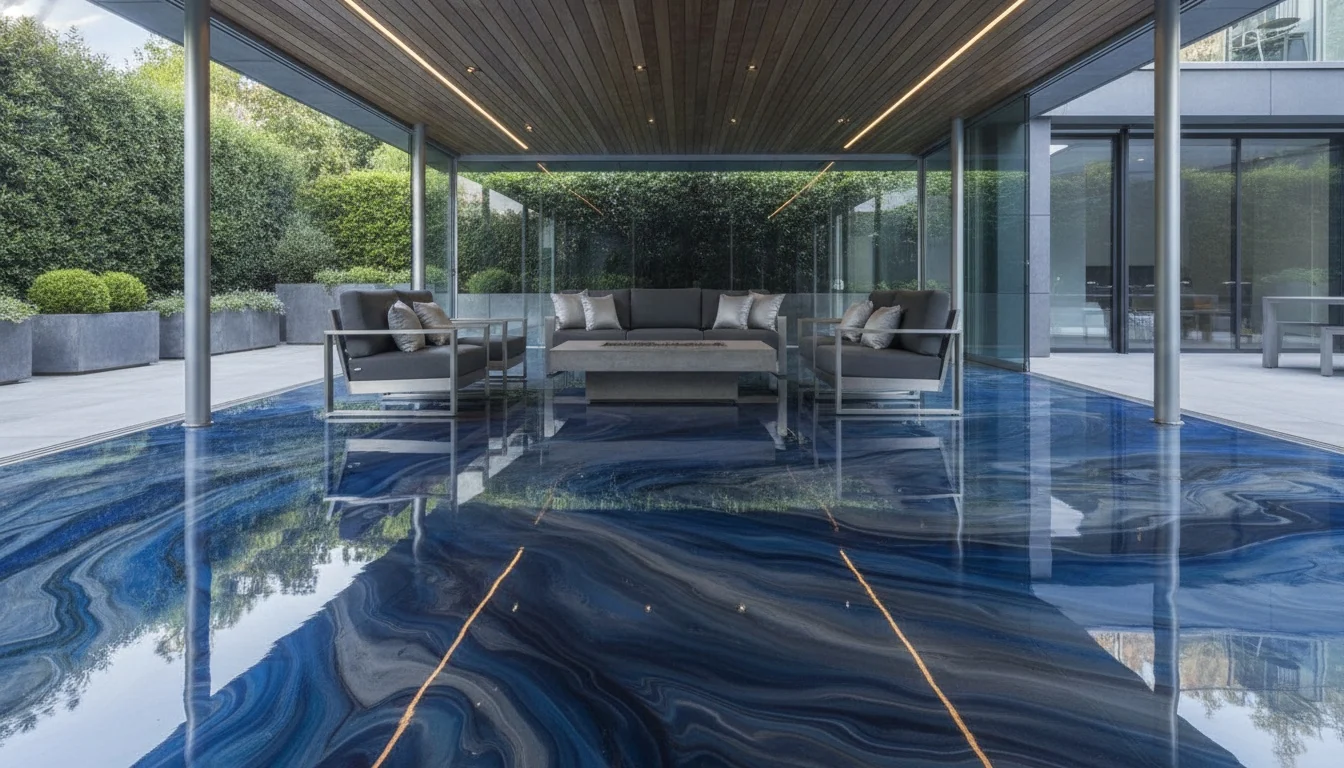
Epoxy plays a different game. A poured metallic floor creates a marbled, flowing, high-gloss surface that reads like polished stone and is genuinely unique to your space — no two are the same. Flake systems give a hard-wearing, speckled finish that suits garages and high-traffic areas, while solid-colour epoxy delivers a clean, modern, seamless look. For homeowners after a contemporary, joined-up, statement floor — especially in living areas and garages — epoxy offers something tiles simply cannot: an unbroken surface with depth and movement built in. Many of the finishes people choose for living spaces and garages are exactly what we cover under residential epoxy flooring.
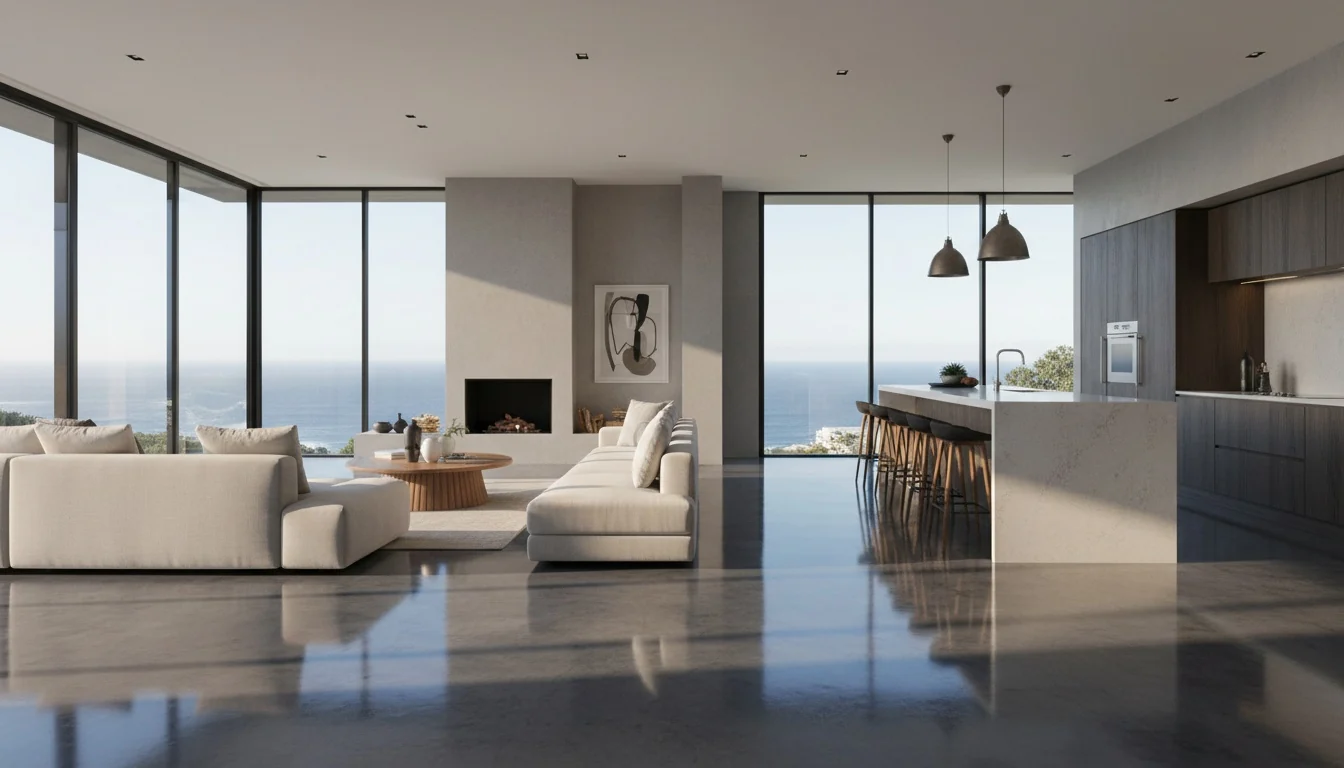
One honest caveat on looks: a smooth, high-gloss epoxy floor can be slippery when wet. It is not a dealbreaker — installers broadcast a fine anti-slip aggregate into the topcoat (or use a textured flake system) for bathrooms, patios and poolside areas — but it is something to ask for rather than assume. Tiles vary too: their slip resistance depends entirely on the rating of the tile you pick.
Where each one wins
The most useful way to think about epoxy vs tiles pros and cons is room by room rather than hunting for one overall champion. Epoxy is the stronger choice for garages, workshops, sculleries, laundries, covered patios and open-plan living areas — anywhere you want toughness, easy cleaning and a seamless modern look. Its impact resistance and lack of grout make it ideal for spaces that take a beating or need to stay hygienic.
Tiles keep the edge in wet rooms with very specific requirements — bathrooms and showers where a particular ceramic look, slip rating or fully waterproofed detail is the priority — and anywhere a distinctive patterned floor is the whole point of the design. So the epoxy or tiles for kitchen question, for example, usually comes down to whether you value a seamless, low-maintenance surface (epoxy) or a specific tile pattern you have fallen for (tiles).
It is also worth knowing that the two are not always either-or. In some homes an installer can lay epoxy over existing tiles, saving the cost and mess of ripping them out, though it comes with conditions and is not the automatic answer. Whether it is an option for you depends on the condition of the tiles and how well they are bonded to the screed underneath, which is exactly what gets checked during a free on-site assessment before anything is quoted.
The verdict for Cape Town homes
For the way most Cape Town homes are used — garages that double as workshops, indoor-outdoor living, busy kitchens and family traffic — epoxy is, more often than not, the floor that gives the best balance of durability, easy cleaning and modern looks for the money. Its seamlessness is a real practical advantage in our climate and lifestyle, and a well-prepped epoxy floor holds up to a lot of hard use without the grout maintenance that tiles demand. That said, tiles remain the right answer for wet rooms and for anyone set on a specific pattern, and a good installer will say so honestly rather than pushing epoxy where it does not belong.
Which should you choose?
If you want a tough, seamless, low-maintenance floor for a garage, scullery, patio or open-plan living space, epoxy is very likely the better call — and the upfront cost is usually closer to tiles than you would guess. If your project is a bathroom, a shower or a room where a particular tile pattern is the whole look, lean towards tiles. The surest way to decide is to have an experienced Cape Town installer look at the actual space, advise on what suits it and give you a firm written price — at no cost.